Oct
15
Hesitation Serve: The Killer, from Bo Keely
October 15, 2013 |
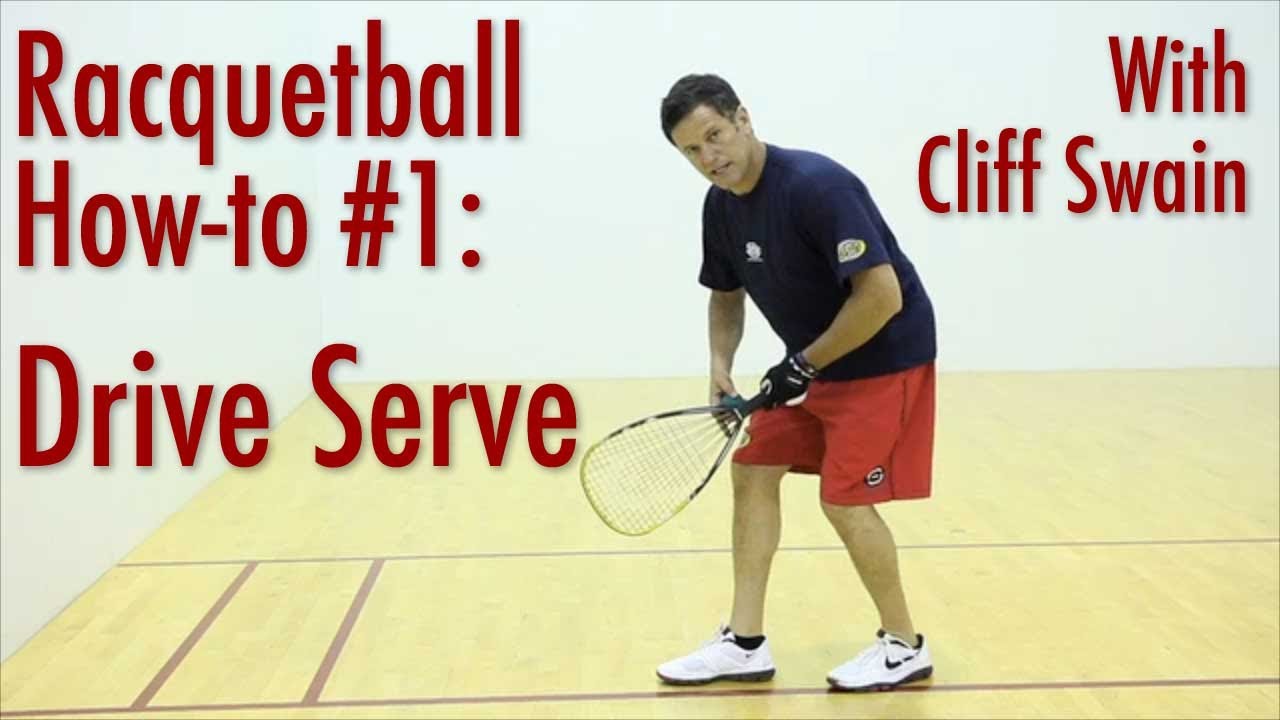 A presently rare, and therefore useful, service strategy is a pause near the top or during the downswing.
This hesitation serve is unlike any other and with distinct advantages. There is a pause between the start of the downswing and the ball contact. It is like a hardly perceptible stammer, or a slight hitch in a horse's gait. In that split-second, a decision is made to adjust the flight of the ball relative to the lean of the receiver. The basis of the decision is the old sport adage, 'Hit it where he ain't'.
Learning the hesitation serve is easy with a quick read of this article and practice of 1000 shots on the court. Then you will understand its success comes from the receiver. In The serve gains three smaller advantages that quickly will be discussed before getting to the fourth and heart of hesitation.
The pause in the stroke provides:
A) The body weight shifts to lower in the legs (lower center of gravity) to increase stroke power.
B) By crouching the ball becomes screened from the receiver's eyes.
C) The returner physically vacillates in his tennis shoes with uncertainty.
D) He is also caught in a quandary of building suspense throughout the match.
Looking at these individually, in the first effect the short pause in the stroke automatically lowers the body weight to the legs, in the model of a lifter hefting a barbell overhead with a Clean and Jerk. At the pause in the clean, or uplift, the knees are bent to provide better spring to the legs. In the second effect, by the weight lowering into a slight crouch the ball becomes eclipsed from the receiver's eyes by the greater 'balling' of the server's body. An analogy is trying to see the sun with the moon in the way, a solar eclipse. And the third effect is that the returner must rise and ready on his toes to quickly shift weight depending on if the ball is hit to his right or left. This is fatiguing, and becomes irritating in a three game set.
Now to address the major effect brought about by the hesitation serve… quandary. This is a psychological upset. During the short stutter, the returner falls into a trap of indecision. An internal dialogue of uncertainty occurs, don't you think. The receiver must ignore the stutter serve, which is difficult, or fall into a trap of doubt. It creates a quick freeze and a wait-and-see attitude. This will be ameliorated and wear off in a fairly short time… after the rally is over!
For all four reasons, a short delay in the server's downswing increases the receiver's relation to risk. It is said that on the hardwood plains of hesitation bleach the bones of countless losers who, at the dawn of decision, stood to wait, and waiting watched the crack ace.
In baseball pitching it's the same. When you hesitate on the throwing motion, the receiver is forced to do the same, and you become his driver. The hesitation, like a fastball, works best on low, hard serves including the drives to both side and the Z.
The game is like a dance, and one must know when to move and when not to. When you pause on the serve, the receiver is thrown out of step with the ball coming out of reach or at his face. You make one error, you pause, waiver, stumble and lose the edge on the return. Colonel Tom Parker of Elvis fame said, 'Either operate from a position of advantage, or do not operate.' This advantage repeated dozens of times per game fetches points that lead to championships. This is called a specialty champion who has one difficult-to-see ploy that is his game lever.
The first player ever in racquetball to use the hesitation serve was Dr. Bud Muehleisen, winner of the first 1969 IRA Nationals and in the ensuing three decades 70 more national and international titles. Bud was a patient dentist, and patient were his opponents focusing on the pause at the top of his backswing. Because the ball was slower then, it was more of a stutter than a stammer, but with the same effect. I had the bright idea to study it from the gallery a hundred times, and surmised two extremely important things. First, his opponent was gung ho, and it is interesting to watch a Type A go nuts in a staccato tempo in the full course of two games. Second, and more important for our upcoming match, I learned what I believe is the ONLY secret to beating the hesitation serve. You may not expect to watch the downstroke with its hitch and stay focused. Instead, during the downswing you must watch something near him- the 'E' in the Ektelon on the back of his shirt, or a spot on the wall, and then, at the contact viewing the racquet and ball again. It is like leaving one frame out of a video and not missing a thing… except the debilitating pause.
Cliff Swain has one of the best hesitation serves the sport has seen, and it's because he has a set of eyes that can focus on so much at once. He learned it in his first year at Providence State and months later captured his first big pro win. He described to me, "I think the hesitation at the top of the swing is the best, most consistent and most powerful." Swain used ESP (Early Swing Preparation) in holding the racquet high in the backswing while following the ball around the court. In the case of the serve, the only difference is that the forehand is more stationary, with a step into the ball. Where most players use a smooth, rhythmic backswing and downswing to strike the serve, Swain has a hesitation at the topswing that allows him while watching the ball to also observe the opponent's position and lean. For Swain, the first pro win due to the hesitation serve lost him the ensuing Regionals when he was disqualified for having accepted money as a professional.
Predecessor pro Jim Spittle had success in the 1980s pro tour as the ball livened to allow his big serve to come to bear hideously on his opponents. Unfortunately, Jim had no backhand to augment his ace serves and kill forehands, or he would have been seen in the winner's circle with Hogan, Mike Yellen, Dave Peck, Jerry Hilecher, Davey Bledsoe, Brett Harnett, Ruben Gonzales and Ed Andrews.
Sometimes you meet an unknown player in a remote court with a narrow specialty that makes him a virtuoso. You have just met two. Swain had the specialty hesitation on his serve (and strokes!) with a balanced game to be one of the greatest. The only difference between Cliff and Jim is that the latter couldn't hit a backhand into a dumpster from ten paces. This is all the more reason to focus on his hesitation serve that enlivened his pro career. Once he demonstrated and explained the mechanics around his attorney instead of a referee in his Memphis office.
"Your down-the-line drive serve is used in combination with a cross court serve that is effective because of a hesitation in the swing before striking. For me, this 'hitch' is on the downswing is a split second before contact. In that frame of a split second, you look at both the ball and the receiver's position. At his position and his lean in anticipation of the serve going down-the-line or cross-court. The hesitation allows me to adjust the angle and point of contact to direct it away from the returner's commitment. 'It's all about first intent,' piped the lawyer ducking a swing, and he is right. The receiver must commit and cannot recover before the server decides which of the two sides of the court to serve the ball. The decision is made during the hesitation."
For Swain, the pause and choice is made at the top of the downswing; and for Spittle it is at mid-swing just before ball contact. Which is better? I don't know, and it probably depends on the physiotype of the server. In both cases, the receiver is left holding his jock.
This is called the big game, of a booming serve for an ace or weak return. Everyone these days is familiar with the style, but few take the step of adding a hesitation for a quantum improvement.
The key component of the hesitation is it allows you multiple serve options, and often gets your opponent to commit prematurely. You look, he moves, and during the downswing from the pause near the top of the swing you serve away from the notion of his lean. If the receiver is leaning toward the cross-court serve, the pause enables you to serve down the line. But, if he is leaning toward down the line, you can hit it cross court.
When one considers how many serves are hit to game point, and that the modern quick ball makes the service the most important part of any strong player's offense (the second essential is a killshot), it makes winning sense to spend more time practicing it than any other shots. In tennis there is the parallel of practicing the 'big serve' over and over until there is enough muscle memory that the motion becomes natural, fluid, unconscious, and independent of fatigue or psyching out.
The bottom line is that if you had an exact racquetball twin with whom you played every game to a draw using identical shots and strategies, the first one to add the hesitation to his service would gain a five point spread in every game to 15.
He who hesitates is won.
Comments
Archives
- October 2026
- September 2026
- August 2026
- July 2026
- June 2026
- May 2026
- April 2026
- March 2026
- February 2026
- January 2026
- December 2025
- November 2025
- October 2025
- September 2025
- August 2025
- July 2025
- June 2025
- May 2025
- April 2025
- March 2025
- February 2025
- January 2025
- December 2024
- November 2024
- October 2024
- September 2024
- August 2024
- July 2024
- June 2024
- May 2024
- April 2024
- March 2024
- February 2024
- January 2024
- December 2023
- November 2023
- October 2023
- September 2023
- August 2023
- July 2023
- June 2023
- May 2023
- April 2023
- March 2023
- February 2023
- January 2023
- December 2022
- November 2022
- October 2022
- September 2022
- August 2022
- July 2022
- June 2022
- May 2022
- April 2022
- March 2022
- February 2022
- January 2022
- December 2021
- November 2021
- October 2021
- September 2021
- August 2021
- July 2021
- June 2021
- May 2021
- April 2021
- March 2021
- February 2021
- January 2021
- December 2020
- November 2020
- October 2020
- September 2020
- August 2020
- July 2020
- June 2020
- May 2020
- April 2020
- March 2020
- February 2020
- January 2020
- December 2019
- November 2019
- October 2019
- September 2019
- August 2019
- July 2019
- June 2019
- May 2019
- April 2019
- March 2019
- February 2019
- January 2019
- December 2018
- November 2018
- October 2018
- September 2018
- August 2018
- July 2018
- June 2018
- May 2018
- April 2018
- March 2018
- February 2018
- January 2018
- December 2017
- November 2017
- October 2017
- September 2017
- August 2017
- July 2017
- June 2017
- May 2017
- April 2017
- March 2017
- February 2017
- January 2017
- December 2016
- November 2016
- October 2016
- September 2016
- August 2016
- July 2016
- June 2016
- May 2016
- April 2016
- March 2016
- February 2016
- January 2016
- December 2015
- November 2015
- October 2015
- September 2015
- August 2015
- July 2015
- June 2015
- May 2015
- April 2015
- March 2015
- February 2015
- January 2015
- December 2014
- November 2014
- October 2014
- September 2014
- August 2014
- July 2014
- June 2014
- May 2014
- April 2014
- March 2014
- February 2014
- January 2014
- December 2013
- November 2013
- October 2013
- September 2013
- August 2013
- July 2013
- June 2013
- May 2013
- April 2013
- March 2013
- February 2013
- January 2013
- December 2012
- November 2012
- October 2012
- September 2012
- August 2012
- July 2012
- June 2012
- May 2012
- April 2012
- March 2012
- February 2012
- January 2012
- December 2011
- November 2011
- October 2011
- September 2011
- August 2011
- July 2011
- June 2011
- May 2011
- April 2011
- March 2011
- February 2011
- January 2011
- December 2010
- November 2010
- October 2010
- September 2010
- August 2010
- July 2010
- June 2010
- May 2010
- April 2010
- March 2010
- February 2010
- January 2010
- December 2009
- November 2009
- October 2009
- September 2009
- August 2009
- July 2009
- June 2009
- May 2009
- April 2009
- March 2009
- February 2009
- January 2009
- December 2008
- November 2008
- October 2008
- September 2008
- August 2008
- July 2008
- June 2008
- May 2008
- April 2008
- March 2008
- February 2008
- January 2008
- December 2007
- November 2007
- October 2007
- September 2007
- August 2007
- July 2007
- June 2007
- May 2007
- April 2007
- March 2007
- February 2007
- January 2007
- December 2006
- November 2006
- October 2006
- September 2006
- August 2006
- Older Archives
Resources & Links
- The Letters Prize
- Pre-2007 Victor Niederhoffer Posts
- Vic’s NYC Junto
- Reading List
- Programming in 60 Seconds
- The Objectivist Center
- Foundation for Economic Education
- Tigerchess
- Dick Sears' G.T. Index
- Pre-2007 Daily Speculations
- Laurel & Vics' Worldly Investor Articles
