Jul
13
Turing test, from Zubin Al Genubi
July 13, 2026 |
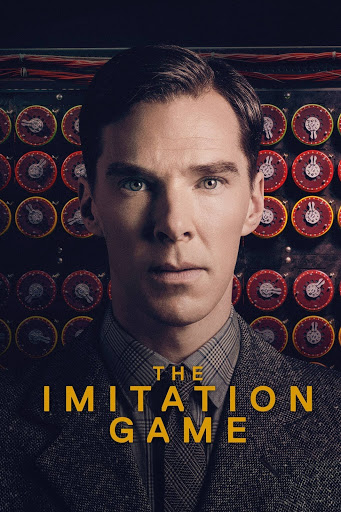
The Turing Test, originally introduced by British mathematician and computer scientist Alan Turing in his 1950 paper "Computing Machinery and Intelligence," is a proposal for evaluating whether a machine can exhibit intelligent behavior indistinguishable from that of a human.
This is more relevant today than ever. Applied to the market some moves appear very machine like. Other moves not so much. A large proportion if trades now are computer generated. Maekt making must all be computer managed. Humans still can game the machines as their rules are fixed.
Peter Ringel writes:
The Turing Test is fuzzy. Useful, but not precise. The underlying question is: Is AI conscious? My answer is: NO! but it is a freakishly good imposter.
It is also domain specific. In my opinion, in the general domain, AI broke the Turing Test in 2024. Humans can't distinguish anymore responses from robots to humans in the general domain. In specific domains it is different. The low to mid level is broken, the mid to high is not. OTOH, recently we had news that open AI proofed some longstanding Math hypothesis (I lack the knowledge to judge). And we all know about Google's AlphaFold. Both domain specific. High End.
Market making was algo based before AI. I indeed, try to game this with my human discretion. (At least in the sort-term part of my trading. It is not relevant for longer TF.) AI definitely facilitates research. This makes markets more efficient and faster efficient. I think we are seeing this currently.
Creativity is not broken. I hope, as of now.
Oliver Joseph writes:
A conversation that I find endlessly fascinating. In my opinion the current technology stack with regards to LLMs and machine learning tools in general is an absolute game changer. The barriers of entry associated with software seem to have been lowered significantly, however to use another tech analogy the "last mile" still remains elusive. By that I mean that the LLM really needs help to get certain complex problems over the finish line. That said, what we are dealing with is essentially a cliche generator. Humans tend to anthropomorphize, and personally I have found myself pondering the meaning of consciousness as I use the latest generation of LLM's ( I don't think we are dealing with consciousness here). Rich Suttons essay "The Bitter Lesson" from 2019 concludes with the idea that we want "AI agents that can discover like we can not which contain what we have discovered" arguing that by using experts to build in their knowledge it makes it harder to even see how the discovering process happens in the first place. He emphasizes a focus on what he calls scaleable general purpose methods primarily search and learning. It is interesting to me as I work with locally run models to see what output the <| think |> control token actually generates. I have one of those old IBM notepads that says think on it, however I must say I am prodded to think myself as I see this machine chugging through the art of thinking clearly with such mechanical precision (now we're in Dobelli of the beast). In conclusion I agree with the above sentiment that creativity is not broken but rather like where T.S. Eliot was wrestling with the concept of historical sense in his art; we now find ourselves with a large portion of human knowledge existing simultaneously in one place frozen in time, embalmed and pacified. It is up to us to be creative and let the tool inform our creative throughput.
On another tangent when I produce and or record music my workflow (and output) is changed by the tools I use. Ableton on a Macbook with VSTs gives me a different feeling and results than using an Atari 1040st and an Akai S950. I get the same feeling as I use LLM's for certain tasks.
Zubin Al Genubi adds:
I find AI helpful but AI doesn't quite get the joke. Kind of like a super-smart nerdy guy.
Nils Poertner comments:
From a spec point of view, there are tremendous opportunities where human creativity is always finding something which LLMs not seeing…as they have built mirrors in a mirror rooms and confusing this room with reality (but reality remains mysterious, indescribable and so on…and fuzzy logic or jain logic is already a slight improvement to our "either-or" logic that is so prevalent in our times).
Peter Ringel responds:
Yes, the tools we use define culture. Music culture, trading culture - binned per generation. AI is a tool (as of now).
If I close my eyes, I still can hear the metronome signal of Cubase through a crappy 1040 sound speaker ( or was it the monitor ?): "meeeep, mup mup mup" for a four to the floor. Cubase and similar tools made it easy to create a typical track structure. Probably long and repetitive. This defined the 90 and 2000 pop music. Before that - with some overlap - Sound-tracker. The UK in the 90 is unthinkable without it. Way more interesting. Then Fruity loops and similar. More questionable structure. Then Ableton. It freed the structure again, the creativity. I don't know, what the kids prefer now.
Nils Poertner responds:
Yes, very good. Real speculators are incredibly good in finding opportunities in mkts (and not just go with the latest fashion and think that's it). For older specs it will be "how to keep and possibly improve health" and for younger ones, I suppose it is how to turn their frustration/ anger into creativity and learn the game.
Oliver Joseph writes:
I love that Peter. Yes, Cubase was and is a fantastic tool precisely because of its constraints.
LLM’s being another cool new tool it is worthwhile to make an attempt to understand its uses and constraints. As a very simple thought experiment I asked three different models de jour to generate a random number between 0 and 500. I ran 500 iterations of the prompt per model. The “think” tokens generated reasoning from the models that stated basically “I’ll just pick a number that sounds random”. The “think” token of course being obscured from the end user. Going through such gesticulations is completely unnecessary other than I think that conceptually it's important to understand that here we ask for an output (the random number) and what we actually get is a number within the bounds of the below graph. Importantly we run the risk of thinking it's what we actually asked for. Surprise! It's not. Everyone on the spec list knows the right tool for the above job is a HRNG or TRNG or who knows what all else; lava lamps and wristwatches.
To my mind it is one of those inexplicably beautiful facts of history that Wall Street was thus named for a wall that separated traders and speculators from livestock. In the car business we have a large vocabulary derived mostly from farming and the cattle business. One thing that we would commonly do is go out and “put hands on” our “stock” go physically touch and look at the car. Statements are a representation of inventory I am supposed to have and obviously they have their use.
In summary as has been the case for the last 6000 years of recorded human history the farmer has asked the farmhand “where is the cow?” and the farmhand sometimes just said “over by the watering hole.” even though he actually had no clue. We equate the representation of the thing and the thing in and of itself at our peril. As speculators we should endeavor to identify the places in our experience where an incorrect representation is believed in more so than the thing in and of itself. I believe it pays to every now and again to hop the liminal.
Comments
Archives
- October 2026
- September 2026
- August 2026
- July 2026
- June 2026
- May 2026
- April 2026
- March 2026
- February 2026
- January 2026
- December 2025
- November 2025
- October 2025
- September 2025
- August 2025
- July 2025
- June 2025
- May 2025
- April 2025
- March 2025
- February 2025
- January 2025
- December 2024
- November 2024
- October 2024
- September 2024
- August 2024
- July 2024
- June 2024
- May 2024
- April 2024
- March 2024
- February 2024
- January 2024
- December 2023
- November 2023
- October 2023
- September 2023
- August 2023
- July 2023
- June 2023
- May 2023
- April 2023
- March 2023
- February 2023
- January 2023
- December 2022
- November 2022
- October 2022
- September 2022
- August 2022
- July 2022
- June 2022
- May 2022
- April 2022
- March 2022
- February 2022
- January 2022
- December 2021
- November 2021
- October 2021
- September 2021
- August 2021
- July 2021
- June 2021
- May 2021
- April 2021
- March 2021
- February 2021
- January 2021
- December 2020
- November 2020
- October 2020
- September 2020
- August 2020
- July 2020
- June 2020
- May 2020
- April 2020
- March 2020
- February 2020
- January 2020
- December 2019
- November 2019
- October 2019
- September 2019
- August 2019
- July 2019
- June 2019
- May 2019
- April 2019
- March 2019
- February 2019
- January 2019
- December 2018
- November 2018
- October 2018
- September 2018
- August 2018
- July 2018
- June 2018
- May 2018
- April 2018
- March 2018
- February 2018
- January 2018
- December 2017
- November 2017
- October 2017
- September 2017
- August 2017
- July 2017
- June 2017
- May 2017
- April 2017
- March 2017
- February 2017
- January 2017
- December 2016
- November 2016
- October 2016
- September 2016
- August 2016
- July 2016
- June 2016
- May 2016
- April 2016
- March 2016
- February 2016
- January 2016
- December 2015
- November 2015
- October 2015
- September 2015
- August 2015
- July 2015
- June 2015
- May 2015
- April 2015
- March 2015
- February 2015
- January 2015
- December 2014
- November 2014
- October 2014
- September 2014
- August 2014
- July 2014
- June 2014
- May 2014
- April 2014
- March 2014
- February 2014
- January 2014
- December 2013
- November 2013
- October 2013
- September 2013
- August 2013
- July 2013
- June 2013
- May 2013
- April 2013
- March 2013
- February 2013
- January 2013
- December 2012
- November 2012
- October 2012
- September 2012
- August 2012
- July 2012
- June 2012
- May 2012
- April 2012
- March 2012
- February 2012
- January 2012
- December 2011
- November 2011
- October 2011
- September 2011
- August 2011
- July 2011
- June 2011
- May 2011
- April 2011
- March 2011
- February 2011
- January 2011
- December 2010
- November 2010
- October 2010
- September 2010
- August 2010
- July 2010
- June 2010
- May 2010
- April 2010
- March 2010
- February 2010
- January 2010
- December 2009
- November 2009
- October 2009
- September 2009
- August 2009
- July 2009
- June 2009
- May 2009
- April 2009
- March 2009
- February 2009
- January 2009
- December 2008
- November 2008
- October 2008
- September 2008
- August 2008
- July 2008
- June 2008
- May 2008
- April 2008
- March 2008
- February 2008
- January 2008
- December 2007
- November 2007
- October 2007
- September 2007
- August 2007
- July 2007
- June 2007
- May 2007
- April 2007
- March 2007
- February 2007
- January 2007
- December 2006
- November 2006
- October 2006
- September 2006
- August 2006
- Older Archives
Resources & Links
- The Letters Prize
- Pre-2007 Victor Niederhoffer Posts
- Vic’s NYC Junto
- Reading List
- Programming in 60 Seconds
- The Objectivist Center
- Foundation for Economic Education
- Tigerchess
- Dick Sears' G.T. Index
- Pre-2007 Daily Speculations
- Laurel & Vics' Worldly Investor Articles
