Inflation and it’s Causes, from Asindu Drileba
What causes inflation? Suppose we define inflation simply as the rise in prices of commodities, stocks, real estate etc. What causes it?
1) A generic explanation people offer (acolytes of Milton Friedman & Margaret Thatcher for example) is to blame monetary policy. Simplified as, inflation is caused by "too much money chasing too few goods."
Many people blamed President Trump's COVID stimulus packages for the rise of prices during that period. It seems specs in this list agree upon this when it comes to stock prices, i.e., lower interest rates (higher money supply) -> Higher stock prices (inflated stock prices).
2) An alternative explanation is that higher prices are caused by supply chain issues.
So they would claim that higher commodity prices were so because it was extremely difficult to move them around during lockdowns, let alone processing them in factories. A member also described that egg prices may be going up because of disease (a chink in the supply chain) not necessarily monetary policy. I am thinking that supply chain issues are more important to look at, than monetary policy.
Larry Williams predicts:
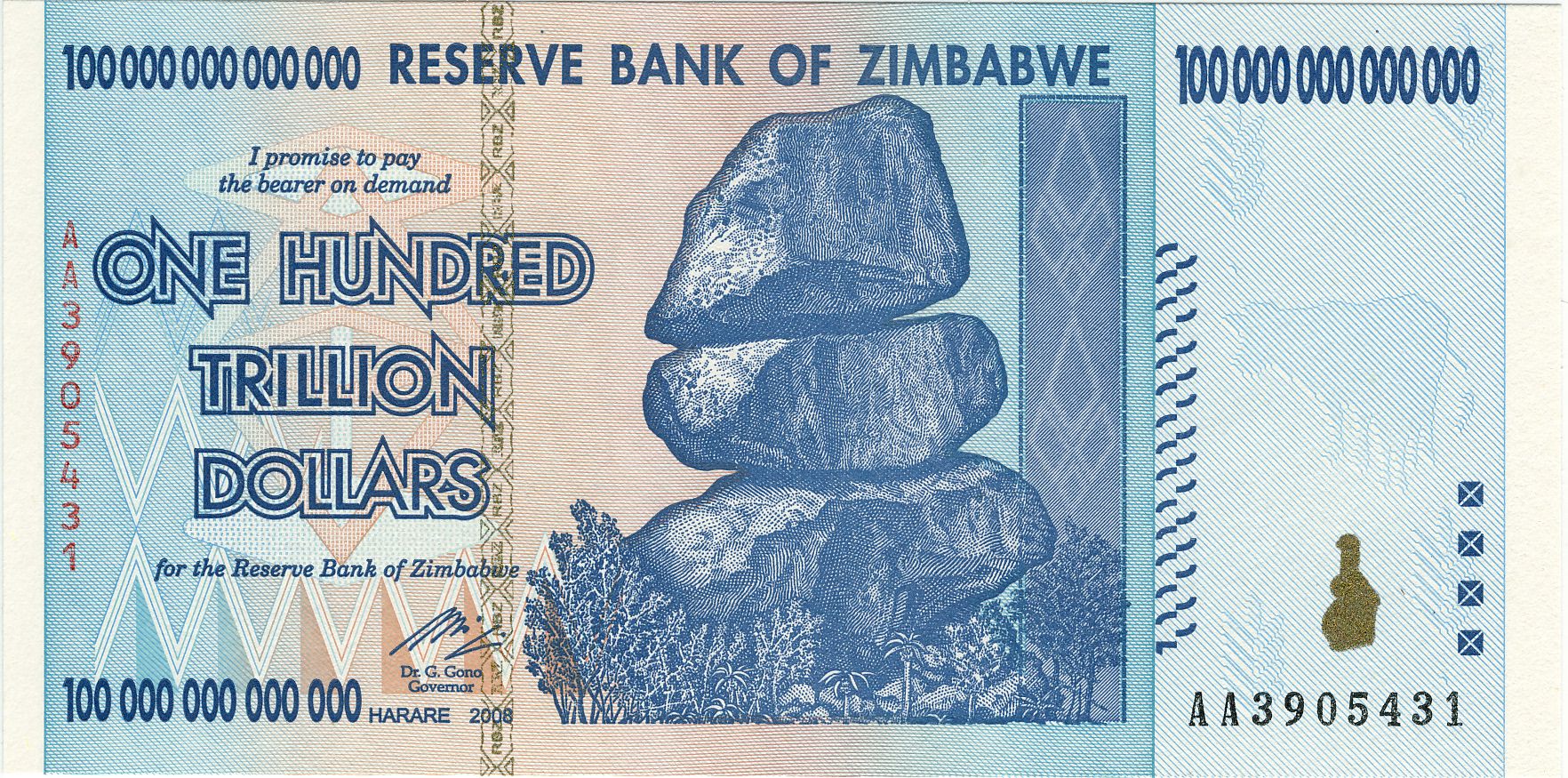
Inflation is very, very cyclical so maybe the real cause resides in the human condition and emotions. It will continue to edge lower until 2026.
Yelena Sennett asks:
Larry, can you please elaborate? Do you mean that when people are optimistic about the future, they spend more, demand increases, and prices go up? And then the reverse happens when they’re pessimistic?
Larry Williams responds:
Just that it is very cyclical— as to what drives the cycles I am not wise enough to know…though I suspect…some emotional pattern dwells in the heart and souls of as all that creates human activity—along the lines of Edgar Lawrence Smiths work.
Malcolm Lui writes:
It’s cyclical due to the central banks raising rates to lower inflation, and then lowering rates to spur growth.
Larry Williams comments:
I would posit higher rates cause inflation with powerful data to back that up. But this all begs the question rates are also very, very cyclical so what drives them???
Big Al writes:
The period between 2009 and 2022 offers very interesting macro data in that we lived through years of ZIRP without consumer inflation (but, one could argue, asset inflation instead), but when post-COVID fiscal policy put $$ directly into the bank accounts of consumers, inflation picked right up. The confounding factor is the supply-chain disruptions.
Bill Rafter recalls:
I was taught: The cost of borrowing is the sum of 3 items: (1) the risk premium of default, (2) the profit demanded by the lender, and (3) the risk of the money being worth less at maturity (inflation). With U.S. Treasuries, factors (1) and (2) effectively drop out and you are left with inflation. If that is true, then higher rates are reflective of inflation rather than the cause of it. But perhaps I was taught wrong.
Larry Williams adds:
Higher rates means more money being paid on interest. That interest is largely going into non productive hands.
Henry Gifford writes:
I agree with Bill Rafter’s definition of inflation: money being worth less. Right now there is some problem with chickens, which has resulted in higher prices for eggs. This has nothing to do with a change in the value of money, and nothing to do with inflation. The price change has to do with a change in the value of eggs. Very simple.
It is not in the interest of government to have more people see things this way – better for them to blame chicken farmers or some “failure” of business or markets, etc. One report I heard is that half the income of the US Federal government is taxes, the other half is printing money. Presumably they don’t want that source of revenue to be threatened by people understanding it better.
Once upon a time I started saving different mentions of the definition of inflation I read, but soon stopped, as I concluded it was folly to try to create a few main definitions. One story I heard is that inflation in the US is greatly underreported by the feds because that reduces the payments to salaries and federal pensions and other programs whose payments are tied to the reported inflation rate.
I have noticed that most people who have studied economics in school have crazy and contradictory definitions of inflation. Perhaps this has something to do with schools generally not paying taxes, and being otherwise heavily subsidized by the government, thus those paying the bills around there create some other story.
In Real Estate, I believe those buying real estate are making three bets: 1 – Doing well with tenants, laws, government officials, plumbing, etc. 2 – Betting on the value (not the price) of the real estate going up. 3 – If buying with debt, betting on the value of the money going down. If one thinks that inflation will be 10%, and dollars are borrowed at 4%, then the real estate can be seen as a way to borrow many dollars at the rate of minus 6%. I think many people who have made money in real estate who think their gains are because of greater wisdom in choosing paint colors have really made most of the money on negative interest rates, but I have better social skills than to point this out to many people in real estate. Others in real estate understand that real estate is mostly a play on inflation, and would just shrug if I pointed this out.
Yes, distinguishing between the value of something and the price of something helps clarify things, although it is hard to pin a non-monetary number on the value of something. How to know the “real” inflation rate? I have no idea. I think the price of a slice of pizza in NYC is a good gauge, as it reflects prices for rent and labor and materials and the government replacing many of the former functions of the mafia, etc., but prices do vary.
Once I heard that real estate in Poland (I was looking when it was rumored they might join the EU) was sold with mortgages in US Dollars at a certain percent, in Euros at a higher percent, or in Polish Zlotys at an even higher percent. This gave me I think a good “helicopter view” of the anticipated rates of inflation, as decided by the market, not by a government official – basically back to Bill Rafter’s example, as in this case, 1 and 2 are presumably equal in all three mortgage scenarios.
Humbert C. comments:
Just posing a more simplistic way of looking at inflation. It is a human construct. Inflation is perpetuated by: The lack of contentment. The “need” and/or desire for more, bigger, better, and newer goods, products and services. The means and ability (income, assets, credit, etc.) to satisfy that “need” / desire.
All converging in an economy where a growing size and frequency of transactions in particular goods, products and services, by willing buyers and willing sellers, are outpacing productivity. And during covid, we also learned that supply-chain disruption can be a contributing factor as well. The stock market is a fine example of an inflation “machine”, no?
Gyve Bones suggests:
A more scripted, visually interesting explanation, in 13 minutes from Milton Friedman from his TV series "Free to Choose", the PBS production from one of the first books about economics I ever read, not counting It's Not Your Birthday! which was given to me as a young boy on my younger sister's first birthday.
Milton Friedman - Understanding Inflation
William Huggins writes:
the simplest way to conceive of inflation (imo, also how i teach it), is as the rate at which the value (purchasing power) of money is decreasing. a lot of things can affect this (a multifactor process) including people's willingness to advance against a promise to pay money. if people unshackle the notion that "money" is the measuring stick for everything else and that its basically a government tax token that happens to be a popular asset (we all pay taxes, or our merchants do), it becomes easier to consider the supply and demand factors that influence its market price (in terms of everything else).
Malcolm Lui responds:
Here’s a simple example showing how it’s the printing of money by central bank that causes inflation, ie, a general price rise across all goods and services. In a closed island economy, barter system, there is no inflation across all goods in total. Something might go up in value due to a supply or demand shock, and something else in turn must fall in value. If you use a fixed supply of money in this economy, to facilitate trade, there still is no overall inflation across the entire island economy. But if the central bank of this economy starts printing more money, then inflation will occur, as there’s more money chasing the same fixed amount of goods and services, and prices of these goods will go up.
Larry Williams differs:
Only problem there is we don’t live in a fixed economy and sure don’t want to. Hence this worn out old example fails—I know I used it a lot earlier in my life.
William Huggins responds:
that dynamic captures the basic quantity theory, which delivered more inflation than desired in the 80s because it assumes a constant "velocity" of money. an increase in the rate of transactions, say from an improvement in the cost of "transactability" can drive up prices (widespread adoption of credit and debit cards, electronic transfers, etc) as a slow down can reduce it (see 2020 when cutting rates to provoke demand was basically trying to push rope). if we don't (somehow) account for that dynamic when setting policy, we're likely to get caught wrong-footed eventually as Britain found out when it tried to target the money supply rather than inflation, under Edward George (which ran about double what they were trying to achieve). this is what led many centrals to adopt an inflation targeting regime starting in the 90s.
Malcolm Lui continues:
The global economy is closed — we aren't doing any trade with any other planets. If the central banks around the world did not print money and grow their money supply, there would be no inflation on on average across all the globally produced goods and services. There will be some goods and services that go up in price, and others will go down in price, like in the island economy example.
Yelena Sennett wonders:
How does the island theory account for the savings rate going up or down? Using savings would allow for all prices to go up at the same time, temporarily at least. Also in the closed system, assuming we have constant increases in productivity as we have on earth, we should have a constant deflation on average, do we?
Malcolm Lui expands:
In the island economy, your savings will be assets you own that you can trade for other goods and services. If you aggressive trade your asset A for asset B, the value of A will fall, while the value for B goes up. Net effect is zero in terms of the overall price level of all goods and services on the island.
In regards to productivity in an island economy, say the island produces only two products, A and B. If you increase your productivity of producing A, and double your output of A, that will actually lower the value of A relative to B. And if the producer of B does not improve productivity as well, and then the value of B relative to A will rise. So again, in terms of the entire island economy's output, there is no deflation. A will see a relative fall in value vs B, while B will see a relative increase in value vs A.
Larry Williams asks:
Closed??? You ever look at GDP growth? Hello! It is not static, I assume you know why: population growth.
Malcolm Lui replies:
A closed global economy does not mean there is zero GDP growth. Growth can come from productivity gains, innovation, economies of scale and workforce demographics changes.
Gyve Bones pulls out the big guns:
And population & the labor of population is the source of all value, teaches Marx, standing of the shoulders of Adam Smith:
The value of any commodity, […] to the person who possesses it, and who means not to use or consume it himself, but to exchange it for other commodities, is equal to the quantity of labour which it enables him to purchase or command. Labour, therefore, is the real measure of the exchangeable value of all commodities.
- The Wealth of Nations, Book 1, chapter V
Yelena Sennett responds:
so you are describing a barter system, not a monetary system. in a monetary system people can save money, borrow from your island neighbor, write IOUs, etc, and thus temporary affect prices. and even in a barter system you can still produce inflation for important goods at least temporarily.
the average inflation doesn’t really make sense anyway - nobody can eat the TVs you hypothetically produce, they need my grain. say i decide to consume less of your TVs and just save my grain product instead of trading. on average inflation maybe the same, but my grain prices are going up and nobody is buying your TVs because they can’t afford it. I cornered the grain market, then i buy your TVs really cheap too. next year I increase the prices for both because I ended up owning everything important - bread and circuses.
here is inflation on the island for necessities as people are forced to exchanged their labor for much less because they have no choice but to buy from me. i also hire military to enforce this and the island basically turns into almost slave economy. the average inflation maybe zero still, it was almost zero inflation in the “closed “ economy of the USSR. the point is that these closed systems don’t and can't exist and averages don’t matter either, as in a famous joke about Bill Gates walking into a bar - on average everybody in the bar is now a millionaire. I’m not sure either is helping us understand inflation as it is in the real world.
Again, in this bartering example the average inflation doesn’t make any sense. If both produced more A and more B at the same rate, then what? The relative value of A vs B is still the same, yet each of us has more products. Is this deflation or not?
Archives
- October 2026
- September 2026
- August 2026
- July 2026
- June 2026
- May 2026
- April 2026
- March 2026
- February 2026
- January 2026
- December 2025
- November 2025
- October 2025
- September 2025
- August 2025
- July 2025
- June 2025
- May 2025
- April 2025
- March 2025
- February 2025
- January 2025
- December 2024
- November 2024
- October 2024
- September 2024
- August 2024
- July 2024
- June 2024
- May 2024
- April 2024
- March 2024
- February 2024
- January 2024
- December 2023
- November 2023
- October 2023
- September 2023
- August 2023
- July 2023
- June 2023
- May 2023
- April 2023
- March 2023
- February 2023
- January 2023
- December 2022
- November 2022
- October 2022
- September 2022
- August 2022
- July 2022
- June 2022
- May 2022
- April 2022
- March 2022
- February 2022
- January 2022
- December 2021
- November 2021
- October 2021
- September 2021
- August 2021
- July 2021
- June 2021
- May 2021
- April 2021
- March 2021
- February 2021
- January 2021
- December 2020
- November 2020
- October 2020
- September 2020
- August 2020
- July 2020
- June 2020
- May 2020
- April 2020
- March 2020
- February 2020
- January 2020
- December 2019
- November 2019
- October 2019
- September 2019
- August 2019
- July 2019
- June 2019
- May 2019
- April 2019
- March 2019
- February 2019
- January 2019
- December 2018
- November 2018
- October 2018
- September 2018
- August 2018
- July 2018
- June 2018
- May 2018
- April 2018
- March 2018
- February 2018
- January 2018
- December 2017
- November 2017
- October 2017
- September 2017
- August 2017
- July 2017
- June 2017
- May 2017
- April 2017
- March 2017
- February 2017
- January 2017
- December 2016
- November 2016
- October 2016
- September 2016
- August 2016
- July 2016
- June 2016
- May 2016
- April 2016
- March 2016
- February 2016
- January 2016
- December 2015
- November 2015
- October 2015
- September 2015
- August 2015
- July 2015
- June 2015
- May 2015
- April 2015
- March 2015
- February 2015
- January 2015
- December 2014
- November 2014
- October 2014
- September 2014
- August 2014
- July 2014
- June 2014
- May 2014
- April 2014
- March 2014
- February 2014
- January 2014
- December 2013
- November 2013
- October 2013
- September 2013
- August 2013
- July 2013
- June 2013
- May 2013
- April 2013
- March 2013
- February 2013
- January 2013
- December 2012
- November 2012
- October 2012
- September 2012
- August 2012
- July 2012
- June 2012
- May 2012
- April 2012
- March 2012
- February 2012
- January 2012
- December 2011
- November 2011
- October 2011
- September 2011
- August 2011
- July 2011
- June 2011
- May 2011
- April 2011
- March 2011
- February 2011
- January 2011
- December 2010
- November 2010
- October 2010
- September 2010
- August 2010
- July 2010
- June 2010
- May 2010
- April 2010
- March 2010
- February 2010
- January 2010
- December 2009
- November 2009
- October 2009
- September 2009
- August 2009
- July 2009
- June 2009
- May 2009
- April 2009
- March 2009
- February 2009
- January 2009
- December 2008
- November 2008
- October 2008
- September 2008
- August 2008
- July 2008
- June 2008
- May 2008
- April 2008
- March 2008
- February 2008
- January 2008
- December 2007
- November 2007
- October 2007
- September 2007
- August 2007
- July 2007
- June 2007
- May 2007
- April 2007
- March 2007
- February 2007
- January 2007
- December 2006
- November 2006
- October 2006
- September 2006
- August 2006
- Older Archives
Resources & Links
- The Letters Prize
- Pre-2007 Victor Niederhoffer Posts
- Vic’s NYC Junto
- Reading List
- Programming in 60 Seconds
- The Objectivist Center
- Foundation for Economic Education
- Tigerchess
- Dick Sears' G.T. Index
- Pre-2007 Daily Speculations
- Laurel & Vics' Worldly Investor Articles
