Jul
4
W’s and L’s, from Victor Niederhoffer
July 4, 2014 |
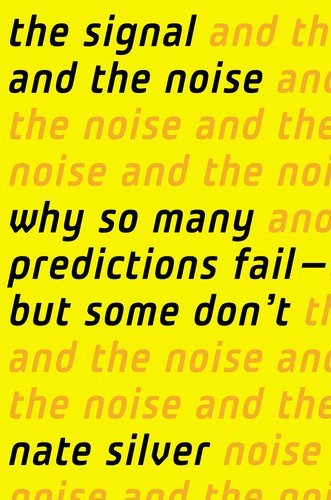 "The people who are coming into the game, the creativity, the intelligence—it's unparalleled right now. In ten years if I applied for a job, I wouldn't even get an interview" -Billy Beane quoted in The Signal and the Noise by Nate Silver. Silver knows baseball very well, and there are many insights and carry overs in his chapter on W's and L's in his book. Here are some of them.
1. Silver developed a system called Pecota to predict when a hitter was going to be good. He picked Petroia who became a Most Valuable Player whereas all the other systems missed him. He started out badly and then improved greatly. The principle of ever changing cycles applies to baseball as well as our field. While silver doesn't know anything about markets and his chapter on it is one of the worst I've read, he seems like an amiable personage. I like his humility. He goes up to Petroia to get an interview: "'No. I won't give you a minute. I'm trying to get ready for a Major League baseball game,' he said in as condescending manner as possible every syllable spaced out for emphasis."
2. In developing his system, he tries to weasel out skill from luck the same way Galton did. He doesn't like batting average but likes things like home runs and strikeouts versus walks. Would we be better by looking at how far down or up, the market was rather than the win or loss.
3. There is an aging curve. A player is good after a few years but bad near the end. It's sort of like the s curve for growth. Silver tries to capture which part of the aging curve a player is on and uses that to pick how much to pay a player. He doesn't seem to realize all the difficulties in differentiating between the 20 kinds of curves that are possible, and the predictivity of making assessments even if you knew the curve a player was on. It's very similar to the problem we have in looking at similarities. Which are the variables to measure, and even if you could find the most similar would that be predictive. Neural networks is based on the similarity algorithms.
4. Bill James comes up with a similarity rating starting with 100 to see how a player compares to other greats. Seems to use linear distance. Much of James work should be applied to markets. The trend follower who lost so much who's now the baseball owner should have used James as his chief speculator rather than following blindly the moving averages.
5. Silver concludes that scouting + computers is better than just computers. I believe that no system is good without judgment and the question of clinical versus objective rating is a ongoing debate in psychology.
6. Silver actually evaluates his predictions versus the scouts and concludes the scouts did better. One has to compliment him for his objectivity in making such an evaluation. It is amazing how few of the forecasters in our field actually provide an evaluation.
7. Silver points out that everything about baseball is encapped in the score cards and the videos. He believes that baseball is the best slate, the most detailed and accurate base of operations for forecasting. I wold say that our own field where tick data for all trades is available is just as good.
8. He comes up with 4 factors that go beyond the statistics that are good for evaluating a player. Preparedness, concentration, competitiveness, and stress management. It would be good to have Brett's take on these factors. They all seem reasonable and might be applicable to our field in choosing employees and partners but they are untested. I would think humility would be one of them for our field as well as hard work. I like that Petroia never wasted a second but tries to play his hardest even in the warmup. That's what I like in a trader and how I tried to be in racket sports also.
Brett Steenbarger writes:
"4 factors that go beyond the statistics that are good for
evaluating a player. Preparedness, concentration, competitiveness, and
stress management. It would be good to have Brett's take on these
factors. They all seem reasonable and might be applicable to our field
in choosing employees".
There are several meals for a lifetime in
that post; thanks for sharing. I strongly suspect that there is at
least one single factor that runs through preparedness, concentration,
competitiveness, and stress management and that's the ability to sustain
an intense level of goal-directed activity over time. Dean Keith
Simonton's work on greatness finds that successful people are productive
people: they are highly purposeful. Traditional interview methods rely
on self-report and end up being biased by the interviewer's perceptions
of an interviewee's likeability. A more objective measure would gauge
how productive a candidate is across domains.For example, one of my
favorite interview questions asks applicants to walk me through their
process for generating an idea for a trade. The successful ones offer
rich detail about a unique process that entails significant analysis
(digging into an area) and synthesis (assembling observations into
conclusions). The unsuccessful ones offer superficial explanations of a
generic nature. You learn a lot by delving into the details of how a
market participant prepares for the trade. Much of what predicts success
are cognitive strengths, not just personality.
Paolo Pezzutti writes:
I think the ability to sustain an
intense goal-directed activity as suggested is an important factor for
anyone who runs an organization. The main thing however is to couple it
with a vision of what the organization has to be in the future. This
translates into a number of goals that lead the organization to that
point. These goals have to be analyzed in order of impact and effort it will take to achieve. Finally they have to be
prioritized and executed. Competence, determination, leadership, the ability
to sustain long working hours, the will to succeed are all important in
the execution phase.
Comments
Archives
- October 2026
- September 2026
- August 2026
- July 2026
- June 2026
- May 2026
- April 2026
- March 2026
- February 2026
- January 2026
- December 2025
- November 2025
- October 2025
- September 2025
- August 2025
- July 2025
- June 2025
- May 2025
- April 2025
- March 2025
- February 2025
- January 2025
- December 2024
- November 2024
- October 2024
- September 2024
- August 2024
- July 2024
- June 2024
- May 2024
- April 2024
- March 2024
- February 2024
- January 2024
- December 2023
- November 2023
- October 2023
- September 2023
- August 2023
- July 2023
- June 2023
- May 2023
- April 2023
- March 2023
- February 2023
- January 2023
- December 2022
- November 2022
- October 2022
- September 2022
- August 2022
- July 2022
- June 2022
- May 2022
- April 2022
- March 2022
- February 2022
- January 2022
- December 2021
- November 2021
- October 2021
- September 2021
- August 2021
- July 2021
- June 2021
- May 2021
- April 2021
- March 2021
- February 2021
- January 2021
- December 2020
- November 2020
- October 2020
- September 2020
- August 2020
- July 2020
- June 2020
- May 2020
- April 2020
- March 2020
- February 2020
- January 2020
- December 2019
- November 2019
- October 2019
- September 2019
- August 2019
- July 2019
- June 2019
- May 2019
- April 2019
- March 2019
- February 2019
- January 2019
- December 2018
- November 2018
- October 2018
- September 2018
- August 2018
- July 2018
- June 2018
- May 2018
- April 2018
- March 2018
- February 2018
- January 2018
- December 2017
- November 2017
- October 2017
- September 2017
- August 2017
- July 2017
- June 2017
- May 2017
- April 2017
- March 2017
- February 2017
- January 2017
- December 2016
- November 2016
- October 2016
- September 2016
- August 2016
- July 2016
- June 2016
- May 2016
- April 2016
- March 2016
- February 2016
- January 2016
- December 2015
- November 2015
- October 2015
- September 2015
- August 2015
- July 2015
- June 2015
- May 2015
- April 2015
- March 2015
- February 2015
- January 2015
- December 2014
- November 2014
- October 2014
- September 2014
- August 2014
- July 2014
- June 2014
- May 2014
- April 2014
- March 2014
- February 2014
- January 2014
- December 2013
- November 2013
- October 2013
- September 2013
- August 2013
- July 2013
- June 2013
- May 2013
- April 2013
- March 2013
- February 2013
- January 2013
- December 2012
- November 2012
- October 2012
- September 2012
- August 2012
- July 2012
- June 2012
- May 2012
- April 2012
- March 2012
- February 2012
- January 2012
- December 2011
- November 2011
- October 2011
- September 2011
- August 2011
- July 2011
- June 2011
- May 2011
- April 2011
- March 2011
- February 2011
- January 2011
- December 2010
- November 2010
- October 2010
- September 2010
- August 2010
- July 2010
- June 2010
- May 2010
- April 2010
- March 2010
- February 2010
- January 2010
- December 2009
- November 2009
- October 2009
- September 2009
- August 2009
- July 2009
- June 2009
- May 2009
- April 2009
- March 2009
- February 2009
- January 2009
- December 2008
- November 2008
- October 2008
- September 2008
- August 2008
- July 2008
- June 2008
- May 2008
- April 2008
- March 2008
- February 2008
- January 2008
- December 2007
- November 2007
- October 2007
- September 2007
- August 2007
- July 2007
- June 2007
- May 2007
- April 2007
- March 2007
- February 2007
- January 2007
- December 2006
- November 2006
- October 2006
- September 2006
- August 2006
- Older Archives
Resources & Links
- The Letters Prize
- Pre-2007 Victor Niederhoffer Posts
- Vic’s NYC Junto
- Reading List
- Programming in 60 Seconds
- The Objectivist Center
- Foundation for Economic Education
- Tigerchess
- Dick Sears' G.T. Index
- Pre-2007 Daily Speculations
- Laurel & Vics' Worldly Investor Articles
