Feb
14
MagicFormula Investing, from Alex Castaldo
February 14, 2014 |
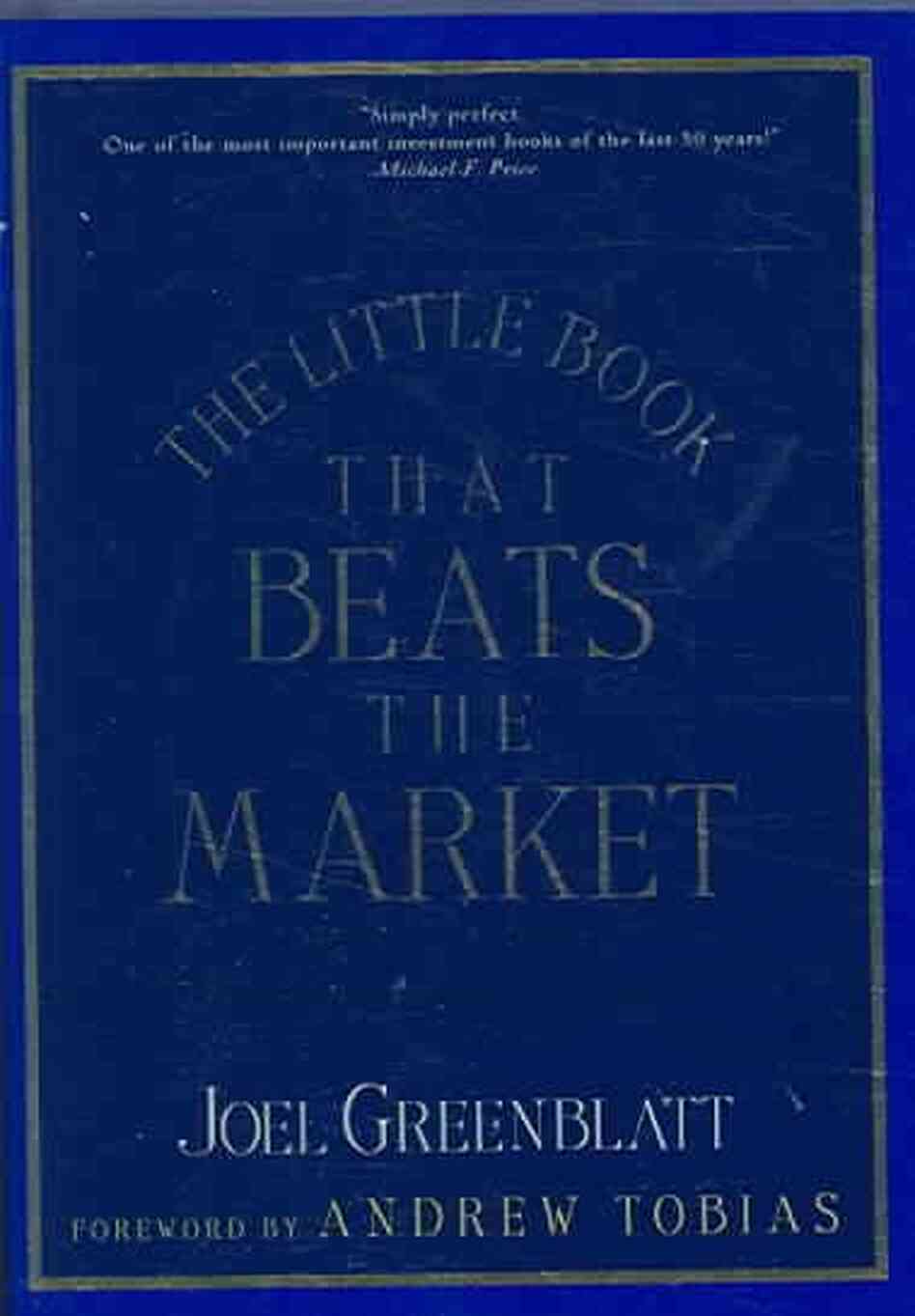 There was a lot of interest a few years ago in Joel Greenblatt's book The Little Book That Beats the Market . He set up a web site www.magicformulainvesting.com which selects stocks based on this method (using a combination of 2 criteria: earnings yield and return on capital).
Two years ago I saved a list of 30 stocks it recommended and just recently I calculated the performance up to now. The results are below:
MagicFormula Investing Stock total return from 2012/01/29 to 2014/01/29
Source: Bloomberg
%Ret
atvi 43.04
apol -40.51
amat 44.77
hrb 87.55
cub 9.80
dell -14.40 acquired 10/30/2013
dlx 102.63
dlb 27.57
xls 110.55
expe 111.76
gtat 10.06
gme 54.34
esi -44.16
icon 95.89
idcc -18.98
klac 24.79
lps 129.00 acquired 1/3/2014
lo 51.17
mant -10.67
mrx 37.67 acquired 12/11/2012
msft 32.90
nsu -38.53
noc 103.22
prx 37.99 acquired 10/01/2012
rtn 94.84
ldos 48.21 ticker change from sai to ldos
sndk 48.91
save 183.80
stra -65.67
vphm 67.37
average 44.16
spy 40.30
rsp 44.02
As you can see the return over 2 years was good, at 44.16%, but indistinguishable from the equal weighted S&P at 44.02% and close to the (ordinary) S&P at 40.30%.
[Strictly speaking you are supposed to hold the portfolio for a year and then rebalance it, which I forgot to do, so it is not a completely accurate replication of the MagicFormula method.].
Bill Rafter writes:
Before Greenblatt there was Haugen who ranked stocks by 60+ variables. He published them in his book, the Inefficient Stock Market. BTW all of his books are interesting. Haugen's material looked really good, but seemed to fail to deliver outstanding returns.
Then Greenblatt's book came out and showed good results from only using two variables: ROE and ROA. One of those was a Haugen variable (I forget which). Then Haugen produced a second edition in which he bumped up the number of variables to ~70, and included both ROE and ROA.
We did a lot^2 of work with both H and G and found that neither are particularly good at picking winners, but both are very good at finding clunkers. And of course if you eliminate the clunkers, the remaining portfolio will certainly outperform the market indices. But of course that only really works if you essentially invest in ALL of the non-clunkers. Thus they are good strategies for large mutual funds.
FWIW we found that you can cull out most of Haugen's variables (but include ROA and ROE) and do fairly well with 16 variables. But again, they are best used as ranking tools to eliminate the underperformers. Our opinion is that both H and G methods are the financial markets equivalent to comfort food. If comfort food makes you feel better, then use it.
anonymous writes:
I agree that Haugen (1942-2013) was an interesting character who did some innovative work. I have read many of his books/papers; how well it holds up remains to be seen. He used the kitchen sink approach which Rocky so detests, but he found things (such as the low vol phenomenon) that were new and interesting (now low vol has maybe become too popular). BTW the two year test period I used is far too short, it could be argued. You need more like 10 years.
Gordon Haave writes:
"Our opinion is that both H and G methods are the financial markets equivalent to comfort food."
This by the way is very important for non-professionals. Most not-professionals lose money because of over-trading, moving in and out on a whim, chasing winners, etc. (actually, most professionals do as well).
A system like Greenblatt's that tells a good story, tells you to only re-balance one per year, and does "as good" as the market will tend to outperform what the individual otherwise would have done.
Richard Owen writes:
Bill, when you say clunkers, do you mean it was great at selecting clunkers by the lowest ranking? Or it was great at selecting clunkers by false positives - i.e, many of the best stocks were very bad despite their attractive ROE etc. and this is what hurt performance? And so they are good for 'cleanup'? Perhaps it's a bit unfair to pick '12-14 data, but very interesting nonetheless. I suspect the best outperformance of such strategies would come in the early bull market and then converge with the market as it matures, then lagging at the end / collapse of the bull?
Bill Rafter writes:
Richard,
Sorry, I did not mean to be cryptic. By clunkers I meant stocks that you should not own, because they are and will be poor performers.
We used both Greenblatt and Haugen variables to rank the Russell 3000 for 20 years and put the stocks into 10 bins (i.e. deciles) and observed the performance of those bins over the following 6 months (with no overlapping periods). Considering the deceased stocks the total number of securities exceeded 8,000. You have to include the dead stocks or you will have survivor bias. The lowest ranked bin performed really bad, such that they could have been shorted profitably (we are long-only and had no interest). Importantly the performance of each higher decile was monotone increasing. That last bit means the strategy has merit. However, the top three deciles did not have the performance that would encourage us to pursue the strategy. That is, they outperformed the market, but they were not an improvement over other strategies.
It makes perfect sense to find those clunkers and eliminate them from your subsequent ranking routines. But there are many ways to find them. It turns out that the underperforming stocks have the mark of the beast written all over them, and you don't need to look at 10+ variables. If data mining for fundamentals is too onerous for the researcher, ranking by volatility will find clunkers. Deselecting for volatility will also keep you out of some high-flyers, but that's a good price to pay. High short interest coupled with declining prices is another.
We did the research 2-3 years ago and I apologize that I don't have the time to dig it out and clean it up for public consumption, as it was only done for our shop. Realize that we are statistical traders who typically hold either ~20 or ~50 positions because we cannot forecast individual security performance, but only bin performance.
Comments
Archives
- October 2026
- September 2026
- August 2026
- July 2026
- June 2026
- May 2026
- April 2026
- March 2026
- February 2026
- January 2026
- December 2025
- November 2025
- October 2025
- September 2025
- August 2025
- July 2025
- June 2025
- May 2025
- April 2025
- March 2025
- February 2025
- January 2025
- December 2024
- November 2024
- October 2024
- September 2024
- August 2024
- July 2024
- June 2024
- May 2024
- April 2024
- March 2024
- February 2024
- January 2024
- December 2023
- November 2023
- October 2023
- September 2023
- August 2023
- July 2023
- June 2023
- May 2023
- April 2023
- March 2023
- February 2023
- January 2023
- December 2022
- November 2022
- October 2022
- September 2022
- August 2022
- July 2022
- June 2022
- May 2022
- April 2022
- March 2022
- February 2022
- January 2022
- December 2021
- November 2021
- October 2021
- September 2021
- August 2021
- July 2021
- June 2021
- May 2021
- April 2021
- March 2021
- February 2021
- January 2021
- December 2020
- November 2020
- October 2020
- September 2020
- August 2020
- July 2020
- June 2020
- May 2020
- April 2020
- March 2020
- February 2020
- January 2020
- December 2019
- November 2019
- October 2019
- September 2019
- August 2019
- July 2019
- June 2019
- May 2019
- April 2019
- March 2019
- February 2019
- January 2019
- December 2018
- November 2018
- October 2018
- September 2018
- August 2018
- July 2018
- June 2018
- May 2018
- April 2018
- March 2018
- February 2018
- January 2018
- December 2017
- November 2017
- October 2017
- September 2017
- August 2017
- July 2017
- June 2017
- May 2017
- April 2017
- March 2017
- February 2017
- January 2017
- December 2016
- November 2016
- October 2016
- September 2016
- August 2016
- July 2016
- June 2016
- May 2016
- April 2016
- March 2016
- February 2016
- January 2016
- December 2015
- November 2015
- October 2015
- September 2015
- August 2015
- July 2015
- June 2015
- May 2015
- April 2015
- March 2015
- February 2015
- January 2015
- December 2014
- November 2014
- October 2014
- September 2014
- August 2014
- July 2014
- June 2014
- May 2014
- April 2014
- March 2014
- February 2014
- January 2014
- December 2013
- November 2013
- October 2013
- September 2013
- August 2013
- July 2013
- June 2013
- May 2013
- April 2013
- March 2013
- February 2013
- January 2013
- December 2012
- November 2012
- October 2012
- September 2012
- August 2012
- July 2012
- June 2012
- May 2012
- April 2012
- March 2012
- February 2012
- January 2012
- December 2011
- November 2011
- October 2011
- September 2011
- August 2011
- July 2011
- June 2011
- May 2011
- April 2011
- March 2011
- February 2011
- January 2011
- December 2010
- November 2010
- October 2010
- September 2010
- August 2010
- July 2010
- June 2010
- May 2010
- April 2010
- March 2010
- February 2010
- January 2010
- December 2009
- November 2009
- October 2009
- September 2009
- August 2009
- July 2009
- June 2009
- May 2009
- April 2009
- March 2009
- February 2009
- January 2009
- December 2008
- November 2008
- October 2008
- September 2008
- August 2008
- July 2008
- June 2008
- May 2008
- April 2008
- March 2008
- February 2008
- January 2008
- December 2007
- November 2007
- October 2007
- September 2007
- August 2007
- July 2007
- June 2007
- May 2007
- April 2007
- March 2007
- February 2007
- January 2007
- December 2006
- November 2006
- October 2006
- September 2006
- August 2006
- Older Archives
Resources & Links
- The Letters Prize
- Pre-2007 Victor Niederhoffer Posts
- Vic’s NYC Junto
- Reading List
- Programming in 60 Seconds
- The Objectivist Center
- Foundation for Economic Education
- Tigerchess
- Dick Sears' G.T. Index
- Pre-2007 Daily Speculations
- Laurel & Vics' Worldly Investor Articles
