Dec
18
10 Lessons from the Life of Beethoven, from Victor Niederhoffer
December 18, 2013 |
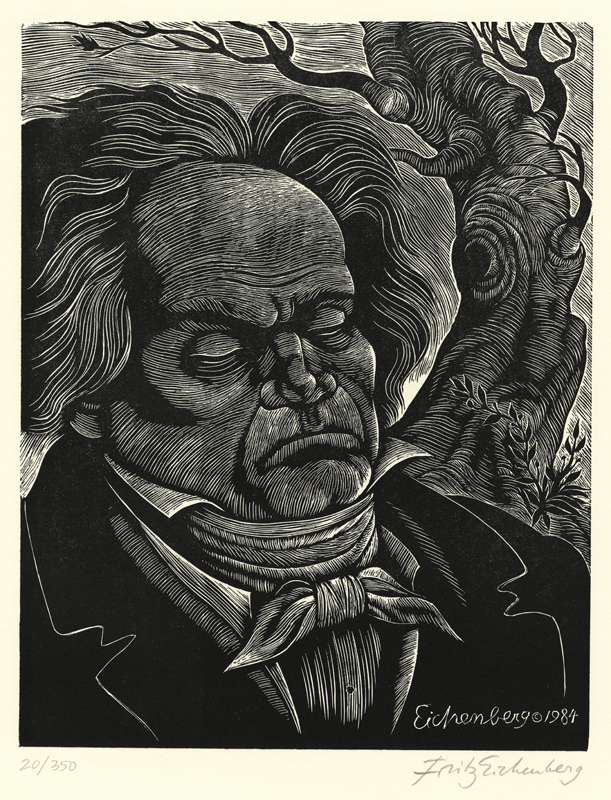 I just read Portrait of Beethoven by Fritz Zobeley, 1955. As Beethoven is perhaps the greatest musician of all time, I thought it might be interesting to record some of my impressions from the book as it might be resonant in many areas.
1. Greatness
His greatness according to Goethe came from "the feeling for proportions that have a unique beauty and are immortal." To judge his major and minor chords by quantification is as "nonsensical as looking at a painting and inquiring after the chemical formula of the paint used".
2. Music
Like almost all of eminence, Beethoven was reared in an environment where music was part of the day and fray. His father was a court organist and singer and his grandfather was an esteemed singer. He played every instrument from the age of 4 and dropped out of school to attend to his musical education. But he transcended all his teachers and developed new ideas after his apprenticeship ended.
3. A great businessman
Beethoveen always sold the same piece 5 or 6 times over to different publishers that thought they had exclusives. He managed to get retainers from all the noblemen of Vienna. When a devaluation occurred he insisted on immediate restitution. But he combined the courtly influence of the old days with profit making academies and concerts that he held in the new concert halls opened up after the Revolution. Whenever he was asked how he was doing he would answer "For a poor musician, as well as could be expected." I like to answer the same when asked… "For a poor speculator…". When his litigation to gain control of his nephew Karl occurred (the man who killed Beethoven), he insisted that his sponsors give him an increased retainer to stay in Vienna after insuring that he would win the litigation.
4. Deafness a blessing
Zobely believes that it was because of his deafness that he became the greatest musician of all. He had to combine precise harmonies and rhythms with big ideas in order to overcome his deafness.
5. Self esteem
He believed in his his own greatness above all. He often said "no one who hears my music will ever be the same." Or "I will soon teach them a thing or two." When a baroness whose home he had commandeered for a few years received thanks from him she said, "That's the least I could do" Beethoven immediately answered, "Yes, that's right". Near the end of his life he said, "I still hope to bring a few great works into the world."
6. He was very studious and systematic
He said, "I carry my thoughts about me for a long time. My memory is so tenacious that I am sure never to forget a theme that has once occurred to me… then I begin to develop it in every direction."
7. One with Nature
He got many of his ideas from Nature. He walked in the Vienna woods every morning, often scaring school kids on the way. "I wrest my ideas from nature herself — in the woods, on walks, stirred by ideas which I put into sounds."
8. Delegation
He delegated many of the non-musical things to other people except for his litigations. Schindler and Ries acted as his unpaid private secretaries for 10 years and handled all the details of life for him. He was thus free to specialize on music. This was good because he was always quarreling with his servants. "Rio met him and his face was full of scratches from a quarrel with his servants." He moved 15 times in one year as his landlords threw him out for untidiness and loud music. As Goethe said, "His talent astonishes me. Unfortunately however, he has an utterly untamed personality."
9. Love of women.
Beethoven was quite the ladies man. He wrote many of his short pieces in an effort like Gershwin to seduce many of his students. He was always falling in love with his students. Once Ries came in to see Beethoven raptly listening to a beautiful girl playing one of his Ecossaises "the sins of my youth" he called them. Ries asked him who it was that played so musically because Beethoven always walked out after 10 seconds when he heard someone playing, especially if you asked him to listen. "I never saw her before," Beethoven answered. They still can't figure out who he wrote his "immortal beloved" letter to because he fell in love so often and proposed marriage to so many who had to reject him because he was just a "poor musician". It is good to be inspired by sagacious, wealthy, and beautiful women.
To be continued. v
There is much debate as to whether Bethoveen had in mind a story from literature or apotheosis of a person or event for his compositions, but it is well known that he was the most literate of all composers before him especially compared to Hayden or Mozart who were both ignoramuses. He loved Shakespeare and Homer and often quoted them in erudite conversations recorded in his books. Zobeley concludes that B wanted the listener to impute whatever feelings appeared to literature that was most apt for the music.
Peter Saint-Andre writes:
The triple concerto is wonderful. Aside from its musical magnificence, it has various large sections reflecting the behaviors of the market. The beginning for instance, the pianissimo base phrase gradually turned to a stronger and higher pitched march is quite resembling the state where the market commences its actions. From the way the four instrumental threads mimicking and interacting with one another throughout the entire piece, one can get a sense of how a trend (or even bubble) develops in the market.
Comments
Archives
- October 2026
- September 2026
- August 2026
- July 2026
- June 2026
- May 2026
- April 2026
- March 2026
- February 2026
- January 2026
- December 2025
- November 2025
- October 2025
- September 2025
- August 2025
- July 2025
- June 2025
- May 2025
- April 2025
- March 2025
- February 2025
- January 2025
- December 2024
- November 2024
- October 2024
- September 2024
- August 2024
- July 2024
- June 2024
- May 2024
- April 2024
- March 2024
- February 2024
- January 2024
- December 2023
- November 2023
- October 2023
- September 2023
- August 2023
- July 2023
- June 2023
- May 2023
- April 2023
- March 2023
- February 2023
- January 2023
- December 2022
- November 2022
- October 2022
- September 2022
- August 2022
- July 2022
- June 2022
- May 2022
- April 2022
- March 2022
- February 2022
- January 2022
- December 2021
- November 2021
- October 2021
- September 2021
- August 2021
- July 2021
- June 2021
- May 2021
- April 2021
- March 2021
- February 2021
- January 2021
- December 2020
- November 2020
- October 2020
- September 2020
- August 2020
- July 2020
- June 2020
- May 2020
- April 2020
- March 2020
- February 2020
- January 2020
- December 2019
- November 2019
- October 2019
- September 2019
- August 2019
- July 2019
- June 2019
- May 2019
- April 2019
- March 2019
- February 2019
- January 2019
- December 2018
- November 2018
- October 2018
- September 2018
- August 2018
- July 2018
- June 2018
- May 2018
- April 2018
- March 2018
- February 2018
- January 2018
- December 2017
- November 2017
- October 2017
- September 2017
- August 2017
- July 2017
- June 2017
- May 2017
- April 2017
- March 2017
- February 2017
- January 2017
- December 2016
- November 2016
- October 2016
- September 2016
- August 2016
- July 2016
- June 2016
- May 2016
- April 2016
- March 2016
- February 2016
- January 2016
- December 2015
- November 2015
- October 2015
- September 2015
- August 2015
- July 2015
- June 2015
- May 2015
- April 2015
- March 2015
- February 2015
- January 2015
- December 2014
- November 2014
- October 2014
- September 2014
- August 2014
- July 2014
- June 2014
- May 2014
- April 2014
- March 2014
- February 2014
- January 2014
- December 2013
- November 2013
- October 2013
- September 2013
- August 2013
- July 2013
- June 2013
- May 2013
- April 2013
- March 2013
- February 2013
- January 2013
- December 2012
- November 2012
- October 2012
- September 2012
- August 2012
- July 2012
- June 2012
- May 2012
- April 2012
- March 2012
- February 2012
- January 2012
- December 2011
- November 2011
- October 2011
- September 2011
- August 2011
- July 2011
- June 2011
- May 2011
- April 2011
- March 2011
- February 2011
- January 2011
- December 2010
- November 2010
- October 2010
- September 2010
- August 2010
- July 2010
- June 2010
- May 2010
- April 2010
- March 2010
- February 2010
- January 2010
- December 2009
- November 2009
- October 2009
- September 2009
- August 2009
- July 2009
- June 2009
- May 2009
- April 2009
- March 2009
- February 2009
- January 2009
- December 2008
- November 2008
- October 2008
- September 2008
- August 2008
- July 2008
- June 2008
- May 2008
- April 2008
- March 2008
- February 2008
- January 2008
- December 2007
- November 2007
- October 2007
- September 2007
- August 2007
- July 2007
- June 2007
- May 2007
- April 2007
- March 2007
- February 2007
- January 2007
- December 2006
- November 2006
- October 2006
- September 2006
- August 2006
- Older Archives
Resources & Links
- The Letters Prize
- Pre-2007 Victor Niederhoffer Posts
- Vic’s NYC Junto
- Reading List
- Programming in 60 Seconds
- The Objectivist Center
- Foundation for Economic Education
- Tigerchess
- Dick Sears' G.T. Index
- Pre-2007 Daily Speculations
- Laurel & Vics' Worldly Investor Articles
