Feb
22
The Limits of Data and Correlation, from Phil McDonnell
February 22, 2012 |
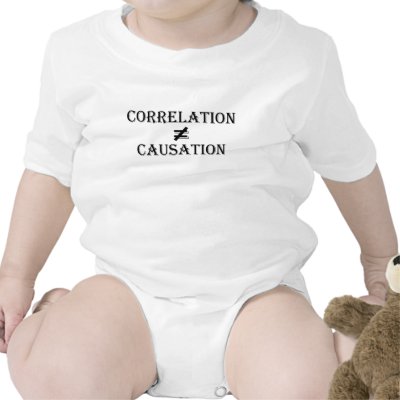 When we analyze data and find some sort of correlation either positive or negative what have we really found. Have we found cause and effect?
The simple answer is no. Proving correlation cannot demonstrate causation. The fallacy that is at the core of this is that even when two variables are correlated one does not necessarily cause the other. The real underlying cause could be a third unobserved variable that is moving both of observed variables.
An example of this might be that we observe that the stock market and bond market move together over a period of time. That does not mean that one is causing the other. In reality they may both be caused by the Fed's Permanent Open Market Operations (POMO). If that is a variable we have not considered then we are oblivious if it is removed from the economic landscape one day.
All of this begs the question as to whether or not we should be trading on past correlations. Is it just a fool's errand? I think it is not, especially of the correlation is strong enough. But it does expose us to the risk that the hidden real cause will evaporate someday without our being aware of it. That is the risk of speculation. We must be ready to give up a system or anomaly that has worked in the past if it suddenly stops working for us.
Yishen Kuik writes:
I am far from qualified to speak with any authority on statistics, and my training in mathematics was only as an undergraduate focusing on number theory.
My only claim as to why my opinion on this matters is that I have been operating a statistical trading book for some years and have not yet been swallowed up by the market.
I find that I can get most of the answers I need with fairly basic statistical tools, as long as I ask the right questions with them. I have also found that most advanced tools have to used with care. I want to be able to rely on the results I get with tests, and advanced tools tend to have specifications and nuances that I find troublesome to be familiar enough with that I can use the tool with confidence.
I am surprised at how confident many people, especially those in academia, are in the results they get from using very involved statistical techniques. Even when using very simple tools, I find that I have to think very carefully about the range of explanations for results and how vulnerable they are to various quirky aspects of the data. The Chair's point about how fat tails can be the result of aggregated gaussians or how arc sine can lead to unexpected distributions of highs and lows are good examples of this. In practical usage, I find that such unexpected results are quite commonplace. With complex tools, I am concerned that I may be blindsided by unexpected results from the interaction of data attributes with the details of the implementation that renders my ability to interpret the results correctly. The non-stationary nature of financial time series, the single history, the memory, the regime based volatility and many other aspects of markets tends to really screw up many statistical tools. It is too hard for me to look through the details of the advanced tools and think about how the perversity of financial time series might affect the results in complex tools before I can even contemplate using them with any confidence.
I find that to get the right answers, it is more important to sit down and think and come up with the right list of questions to ask, the answers to which in total should reveal the bigger answer you want to find. For causality and correlation, I doubt if there is a "just add numbers" tool that will give you a worthwhile result.
My algorithm for answering such a question would be to draw a warm bath and sit in it for a while. Then in about 2 or 3 days, usually in the early morning for me, a list of questions will come to me, the combination of answers to which will address the correlation/causation issue, and then later at my office I can construct the tests necessary to express those questions in a few hours.
Comments
Archives
- September 2026
- August 2026
- July 2026
- June 2026
- May 2026
- April 2026
- March 2026
- February 2026
- January 2026
- December 2025
- November 2025
- October 2025
- September 2025
- August 2025
- July 2025
- June 2025
- May 2025
- April 2025
- March 2025
- February 2025
- January 2025
- December 2024
- November 2024
- October 2024
- September 2024
- August 2024
- July 2024
- June 2024
- May 2024
- April 2024
- March 2024
- February 2024
- January 2024
- December 2023
- November 2023
- October 2023
- September 2023
- August 2023
- July 2023
- June 2023
- May 2023
- April 2023
- March 2023
- February 2023
- January 2023
- December 2022
- November 2022
- October 2022
- September 2022
- August 2022
- July 2022
- June 2022
- May 2022
- April 2022
- March 2022
- February 2022
- January 2022
- December 2021
- November 2021
- October 2021
- September 2021
- August 2021
- July 2021
- June 2021
- May 2021
- April 2021
- March 2021
- February 2021
- January 2021
- December 2020
- November 2020
- October 2020
- September 2020
- August 2020
- July 2020
- June 2020
- May 2020
- April 2020
- March 2020
- February 2020
- January 2020
- December 2019
- November 2019
- October 2019
- September 2019
- August 2019
- July 2019
- June 2019
- May 2019
- April 2019
- March 2019
- February 2019
- January 2019
- December 2018
- November 2018
- October 2018
- September 2018
- August 2018
- July 2018
- June 2018
- May 2018
- April 2018
- March 2018
- February 2018
- January 2018
- December 2017
- November 2017
- October 2017
- September 2017
- August 2017
- July 2017
- June 2017
- May 2017
- April 2017
- March 2017
- February 2017
- January 2017
- December 2016
- November 2016
- October 2016
- September 2016
- August 2016
- July 2016
- June 2016
- May 2016
- April 2016
- March 2016
- February 2016
- January 2016
- December 2015
- November 2015
- October 2015
- September 2015
- August 2015
- July 2015
- June 2015
- May 2015
- April 2015
- March 2015
- February 2015
- January 2015
- December 2014
- November 2014
- October 2014
- September 2014
- August 2014
- July 2014
- June 2014
- May 2014
- April 2014
- March 2014
- February 2014
- January 2014
- December 2013
- November 2013
- October 2013
- September 2013
- August 2013
- July 2013
- June 2013
- May 2013
- April 2013
- March 2013
- February 2013
- January 2013
- December 2012
- November 2012
- October 2012
- September 2012
- August 2012
- July 2012
- June 2012
- May 2012
- April 2012
- March 2012
- February 2012
- January 2012
- December 2011
- November 2011
- October 2011
- September 2011
- August 2011
- July 2011
- June 2011
- May 2011
- April 2011
- March 2011
- February 2011
- January 2011
- December 2010
- November 2010
- October 2010
- September 2010
- August 2010
- July 2010
- June 2010
- May 2010
- April 2010
- March 2010
- February 2010
- January 2010
- December 2009
- November 2009
- October 2009
- September 2009
- August 2009
- July 2009
- June 2009
- May 2009
- April 2009
- March 2009
- February 2009
- January 2009
- December 2008
- November 2008
- October 2008
- September 2008
- August 2008
- July 2008
- June 2008
- May 2008
- April 2008
- March 2008
- February 2008
- January 2008
- December 2007
- November 2007
- October 2007
- September 2007
- August 2007
- July 2007
- June 2007
- May 2007
- April 2007
- March 2007
- February 2007
- January 2007
- December 2006
- November 2006
- October 2006
- September 2006
- August 2006
- Older Archives
Resources & Links
- The Letters Prize
- Pre-2007 Victor Niederhoffer Posts
- Vic’s NYC Junto
- Reading List
- Programming in 60 Seconds
- The Objectivist Center
- Foundation for Economic Education
- Tigerchess
- Dick Sears' G.T. Index
- Pre-2007 Daily Speculations
- Laurel & Vics' Worldly Investor Articles
