Apr
23
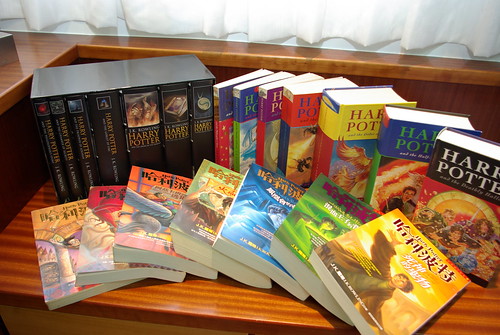 The enclosed list of best selling books of all time is an excellent indicator of popular culture I think, and should have interesting market applications. How would one dig down into that, and do you think or do you think it's not applicable?
Steve Ellison writes:
The first thing I notice is what a diverse list it is. The Lord of the Rings is a fantasy book. Think and Grow Rich is a self help book. There are conventional novels, children's books, religious books, and even a book about science by Stephen Hawking.
Charles Pennington comments:
Who'd have guessed that A Tale of Two Cities is the best seller (single volume) of all time? I didn't even know it was the best-selling Dickens novel, which apparently it is by a factor of 20, since no other Dickens novels appear in the list. That's very surprising; am I misinterpreting?
Stefan Jovanovich writes:
 No misinterpretation here. ATOTC was so wildly popular in the U.S. - like all Dickens' writings - that people in New York and Boston and Baltimore (? not absolutely certain about that one) literally waited at the dock for the packet to arrive from England with the latest installment. One reason Dickens disliked America and Americans is that some of our enterprising ancestors are known to have bought a copy of the latest serial, set it in type over night and had reprints out on the street the following morning for sale - at, of course, a suitable discount from the price of the legitimate copies.
Tale of Two Cities was also the last book that "Phiz" illustrated. Starting with The Pickwick Papers, Dickens has written "monthly parts" that were sold as part of a serial publication. (It literally revolutionized British publishing.) The serials were close to being graphic novels. Robert Seymour, George Cruikshank, and George Cattermole all did illustrations. Hablot Knight Browne (1815-1882) — "Phiz" — did the ones that are best remembered. When Dickens began self-publishing in his own weekly periodicals, Household Words and All the Year Round, Dickens fired his friend as chief illustrator. The parallels with Walt Disney are interesting.
Pitt T. Maner III writes:
In digging down a bit one sees that 3 of the authors, with over 100 million copies sold, are buried within a couple of hundred miles of each other in England (within a shared cultural environment) and that some of their literary themes had connections with class or race distinctions and warfare /murder (Dickens–French Revolution, Tolkien–races of mythological creatures, Christie– see wiki article on And Then There Were None (which originally had a different title and is about murderers from different classes being tricked into meeting on an island and being tricked in some cases into bumping each other off).
There is a whole series of study devoted to the Chinese book Redology and (having not read it), " Dream of the Red Chamber" appears to involve issues of class mobility.
Tsao Hsueh-chin, the author of A Dream of Red Mansions, lived between 1715 and 1763. His ancestral family once held great power. As such, he led a wealthy noble life in Nanjing as a child. When he was 13 or 14, the family was declining and moved to Beijing, where life took a turn for the worse. In his later years, he even led a poor life.Drawing on his own experience, Tsao Hsueh-chin put all his life experiences, poeticized feelings, exploratory spirit and creativity into the greatest work of all time - A Dream of Red Mansions. Drawing its materials from real life, the novel is full of the author's personal feelings filled with blood and tears.
A Dream of Red Mansions is a novel with great cultural richness. It depicts a multi-layered yet inter-fusing tragic human world through the eye of a talentless stone the Goddess used for sky mending. Jia Baoyu, the incarnation of the stone, witnessed the tragic lives of "the Twelve Beauties of Nanjing", experienced the great changes from flourishing to decline of a noble family and thus gained unique perception of life and the mortal world. Revolving around Jia Baoyu and focusing on the tragic love between Jia Baoyu and Lin Daiyu and Xue Baochai against the backdrop of the Great View Garden, the novel portrays a tragedy in which love, youth and life are ruined as well as exposes and profoundly reflects the root of the tragedy – the feudal system and culture.
Found here.
Terrible things can happen if you leave the rich and powerful unchecked and unpunished… is that close to the themes that may be partially beneath the success and appeal of the above best sellers of all time.
The meme being that it will be back to the dark ages of murder and mayhem on earth if government social services are the least bit underfunded and the rich continue to not pay their fair share.
Dylan Distasio writes:
I thought it might also be worthwhile to look at bestsellers by decade. There is a course on 20th century American literature that has been kind enough to share their materials with the interwebs. The full list by decade for the 20th century is at the below link and is worth checking out.
Pitt T. Maner III comments:
In my first paid job as a 12-year old library aide, Agatha Christie made shelving a pile of returned books easy– her works constituted 10% of the pile and were quickly put back with little effort to the same spacious shelf location. I remember reading "Jaws" then, a book hugely popular at the time.
It is doubtful, however, that the Palm Beach socialites checking out multiple Christie books each week would ascribe her popularity to the "Burkean paradigm".
The following is a piece on Christie from a self-described "Wilsonian". Perhaps an example of reading into things a bit too much…the retrospective reasons for success when starting with a point of view.
Her work conforms to Burkean conservatism in every respect: justice rarely comes from the state. Rather, it arises from within civil society – a private detective, a clever old spinster. Indeed, what is Miss Marple but the perfect embodiment of Burke's thought? She has almost infinite wisdom because she has lived so very long (by the later novels, she is barely able to move and, by some calculations, over 100). She has slowly – like parliament and all traditional bodies, according to Burke – accrued "the wisdom of the ages", and this is the key to her success. From her solitary spot in a small English village, she has learned everything about human nature. Wisdom resides, in Christie and Burke's worlds, in the very old and the very ordinary.
Comments
Archives
- October 2026
- September 2026
- August 2026
- July 2026
- June 2026
- May 2026
- April 2026
- March 2026
- February 2026
- January 2026
- December 2025
- November 2025
- October 2025
- September 2025
- August 2025
- July 2025
- June 2025
- May 2025
- April 2025
- March 2025
- February 2025
- January 2025
- December 2024
- November 2024
- October 2024
- September 2024
- August 2024
- July 2024
- June 2024
- May 2024
- April 2024
- March 2024
- February 2024
- January 2024
- December 2023
- November 2023
- October 2023
- September 2023
- August 2023
- July 2023
- June 2023
- May 2023
- April 2023
- March 2023
- February 2023
- January 2023
- December 2022
- November 2022
- October 2022
- September 2022
- August 2022
- July 2022
- June 2022
- May 2022
- April 2022
- March 2022
- February 2022
- January 2022
- December 2021
- November 2021
- October 2021
- September 2021
- August 2021
- July 2021
- June 2021
- May 2021
- April 2021
- March 2021
- February 2021
- January 2021
- December 2020
- November 2020
- October 2020
- September 2020
- August 2020
- July 2020
- June 2020
- May 2020
- April 2020
- March 2020
- February 2020
- January 2020
- December 2019
- November 2019
- October 2019
- September 2019
- August 2019
- July 2019
- June 2019
- May 2019
- April 2019
- March 2019
- February 2019
- January 2019
- December 2018
- November 2018
- October 2018
- September 2018
- August 2018
- July 2018
- June 2018
- May 2018
- April 2018
- March 2018
- February 2018
- January 2018
- December 2017
- November 2017
- October 2017
- September 2017
- August 2017
- July 2017
- June 2017
- May 2017
- April 2017
- March 2017
- February 2017
- January 2017
- December 2016
- November 2016
- October 2016
- September 2016
- August 2016
- July 2016
- June 2016
- May 2016
- April 2016
- March 2016
- February 2016
- January 2016
- December 2015
- November 2015
- October 2015
- September 2015
- August 2015
- July 2015
- June 2015
- May 2015
- April 2015
- March 2015
- February 2015
- January 2015
- December 2014
- November 2014
- October 2014
- September 2014
- August 2014
- July 2014
- June 2014
- May 2014
- April 2014
- March 2014
- February 2014
- January 2014
- December 2013
- November 2013
- October 2013
- September 2013
- August 2013
- July 2013
- June 2013
- May 2013
- April 2013
- March 2013
- February 2013
- January 2013
- December 2012
- November 2012
- October 2012
- September 2012
- August 2012
- July 2012
- June 2012
- May 2012
- April 2012
- March 2012
- February 2012
- January 2012
- December 2011
- November 2011
- October 2011
- September 2011
- August 2011
- July 2011
- June 2011
- May 2011
- April 2011
- March 2011
- February 2011
- January 2011
- December 2010
- November 2010
- October 2010
- September 2010
- August 2010
- July 2010
- June 2010
- May 2010
- April 2010
- March 2010
- February 2010
- January 2010
- December 2009
- November 2009
- October 2009
- September 2009
- August 2009
- July 2009
- June 2009
- May 2009
- April 2009
- March 2009
- February 2009
- January 2009
- December 2008
- November 2008
- October 2008
- September 2008
- August 2008
- July 2008
- June 2008
- May 2008
- April 2008
- March 2008
- February 2008
- January 2008
- December 2007
- November 2007
- October 2007
- September 2007
- August 2007
- July 2007
- June 2007
- May 2007
- April 2007
- March 2007
- February 2007
- January 2007
- December 2006
- November 2006
- October 2006
- September 2006
- August 2006
- Older Archives
Resources & Links
- The Letters Prize
- Pre-2007 Victor Niederhoffer Posts
- Vic’s NYC Junto
- Reading List
- Programming in 60 Seconds
- The Objectivist Center
- Foundation for Economic Education
- Tigerchess
- Dick Sears' G.T. Index
- Pre-2007 Daily Speculations
- Laurel & Vics' Worldly Investor Articles
