Mar
1
Rothbard’s Take on the Federal Reserve, from Jeff Watson
March 1, 2011 |
 With all the attention the Federal Reserve has gotten lately, Rothbard's "Origins of the Federal Reserve" has been published in pdf form. Very interesting read.
Stefan Jovanovich writes:
Veronica Wedgwood said somewhere (sorry– I can't find the reference) that the test of a historian is whether he or she lets the facts change opinions. Wedgwood herself passed that test in her own work. That is why her history of the Thirty Years War is still the definitive work– 75 years after it was published.Wedgwood also said that a book was only worth reading if you could take its facts and find that they were true.
I wish I could share Jeff's enthusiasm for Rothbard; but, when I took one of the first paragraphs in Rothbard's book and put it to the Wedgwood test, it failed badly.
"The alliance of big business and big government with the Republican Party drove through an income tax, heavy excise taxes on such sinful products as tobacco and alcohol, high protective tariffs, and huge land grants and other subsidies to transcontinental railroads. The overbuilding of railroads led directly to Morgan's failed attempts at railroad pools, and finally to the creation, promoted by Morgan and Morgan-controlled railroads, of the Interstate Commerce Commission in 1887."
The Revenue Act of 1861 was extended in 1862 to apply the excise to gunpowder, playing cards, feathers, iron, leather, piano, billiard tables, yachts, drugs, patent medicines and whiskey. At the end of the war, the taxes were repealed on everything; only the traditional excise - on liquor and tobacco - remained. The same Revenue Act of 1861 enacted the income tax. It was a flat tax - 3% on all income above $800 (what would be $20-25K now) - and 5% on the income of all Americans living abroad. The 1862 amendments changed the income tax to a progressive tax system; they also included an explicit date for its repeal - 1866.
Rothbard is correct in noting that the Morrill Act introduced "high" protective tariffs; but even that statement is out of context. The overall tax rate under the Morrill Tariff was 26%; for dutiable items the average rate was 36%. That was higher than the Walker Tariff rates (17% overall, 21% dutiable). The rates in the 1820s had been much, much higher (roughly 50%).
At heart Rothbard is making the standard Mises.org/diLorenzo/never-mind-the-facts doctrinaire Libertarian argument that the sons of the South were only seeking liberty and small government (never mind the first attempt at the legislative reach of Obamacare - the Fugitive Slave Law). But, try as they might, those who try to make the Morrill Tariff and not slavery the central cause of the Civil War/War Between the States run up against two very inconvenient facts: (1) President Buchanan, a Democrat, signed the Act into law and (2) Morrill's bill would never have passed the Senate, let alone gotten through Conference if the Secessionist Democrats had not already left the Senate.
I will spare everyone any further lectures for now, but I promise to return to those thrilling days of yesteryear and explain why Rothbard's history of the Interstate Commerce Commission and the Indianapolis Monetary Convention is just as specious.
Later:
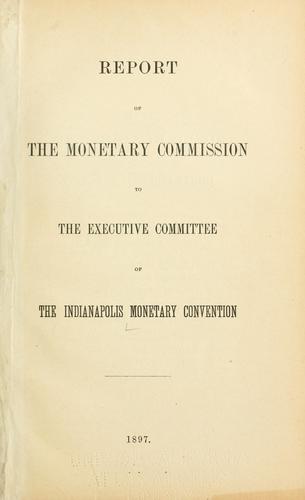
I promised to return to Rothbard's history of the Indianapolis Monetary Convention.
First factoid: "the Rockefeller forces, dominant in their home state of Ohio and nationally in the Republican Party, had decided to quietly ditch prohibition as a political embarrassment and as a grave deterrent to obtaining votes from the increasingly powerful bloc of German-American voters".
Since all political parties are coalitions, there is a hint of truth here; but only that. The Republicans, in general, favored the "dries" - Methodists, Northern Baptists, Southern Baptists, Presbyterians, Disciples of Christ, Congregationalists, Quakers and Scandinavian Lutherans. The only concession made on the issue of prohibition was that McKinley decided to serve wine in the White House, symbolically reversing Hayes' no-alcohol policy. That was hardly "ditching" prohibition; neither political party dared publicly come out for "rum" or even "beer".
Worst factoid: "As soon as McKinley was safely elected, the Morgan-Rockefeller forces began to organize a "reform" movement to cure the "inelasticity" of money in the existing gold standard and to move slowly toward the establishment of a central bank."
Rothbard reads into the Report an elaborate Rockefeller-Morgan conspiracy to defeat popular opinion when the issue was anything but hidden from the public. The country was openly divided on the question of bimetallism with the Democrats supporting it as a means of issuing "cheap" dollars and the Republicans opposing. Even the Prohibitionists were split among themselves. The "gold" Prohibitionists - i.e. those who sided with the Republicans on the monetary question– won control of the Prohibition party itself .
For James Lawrence Laughlin and others, the purpose of the report to the Indianapolis Monetary Convention was to escape, once and for all, the snare of bi-metallism. The Report is unambiguous about that purpose. Here is the preamble:
We submit, for the reasons hereinafter stated, a plan of currency reform, in the hope that it will, if enacted into law, accomplish, so far as possible, these results :
1. To remove, at once and forever, all doubt as to what the standard of value in the United States is, and is to be.
2. To establish the credit of the United States at the highest point among the nations of the world.
3. To eliminate from our currency system those features which reason and experience show to be elements of weakness and danger.
4. To provide a paper currency convertible into gold and equal to it in value at all times and places, in which, with a volume adequate to the general and usual needs of business, there shall be combined a quality of growth and elasticity, through which it will adjust itself automatically and promptly to all variations of demand, whether sudden or gradual ; and which shall distribute itself throughout the country as the wants of different sections may require.
5. To so utilize the existing silver dollars as to maintain their parity with gold without imposing undue burdens on the Treasury.
6. To avoid any injurious contraction of the currency.
7. To avoid the issue of interest-bearing bonds, except in case of unlooked-for emergency; but to confer the power to issue bonds when necessary for the preservation of the credit of the government.
One more thing:
John Taylor finds himself once again defending his Rule.
The questions that James Laughlin would have wanted to ask Professor Taylor and Chairman Bernanke are these:
(1) how can you have "reserves" in a banking system with a sovereign monopoly on legal tender and no specie exchange requirement?
(2) if a rule is to be the only constraint on unlimited "supply" of money in a world where money and sovereign credit are synonymous, how can the rule avoid circularity when sovereign spending is one of the major components of "growth"?
Rocky Humbert writes:
And for reasons related to Professor Taylor, one finds oneself again poking fun at Anatoly's continuous calls for a top in gold.
On February 9th (18:45), Anatoly wrote:
"We used to be mesmerized by round numbers. But ever since Crude topped at that $147.27 print, I've gone on red alert well on approach of 150-ish. Lo'n'behold, next came an all-time high in 30-y bond futures at 143. And Gold print of $1431, in my opinion, will stand for years…Nothing beats an audited track record (and an internet paper trail) to debunk nonsense and test veracity…for both traders and central bankers."
Anatoly wrote: "…the gold print of 1431 … will stand for years…"
It didn't even stand for 8 weeks!!!!
Even before this latest crude spike, real interest rates were re-testing their record negative yields. Now, the feedback effects of negative real rates are percolating even faster ….
P.S. The gold price continues to rise at a 27% annual rate. While gold options have a sub-15% volatiltiy. Get the "drift" ???? With a nod to the options quants who wince at this bastardization of black-scholes, this risk-averse speculator gets the drift.
Russ Sears writes:
 When hundreds if not thousand of people are dying in the streets from their own government firing at them, millions more hungry because of rising food cost creating the helplessness needed for uprising, and the emerging markets have billions people with new found wealth to protect and a long tradition of hoarding gold for the hard times… the demand is not all about trader/speculators.
I have told the story to the list more than once, how my grandmother's family came to the US with only the gold they had around their house in lamp-stands, candle sticks and silverware made of gold, when their factory, land and home were taken by the WWI revolutionaries, leaving them to flee for their lives. She was seven at the time but she told the tale every time "gold" or "silver" was mentioned in her presence. Tell her gold is useless. The demand does not have to be a bubble soon to bust. Without the shock and awe of the US or Britain and especially not the Israeli military intervening, I would say we are in for a longer haul of uncertainty to the unrest than has been the case to most recent Middle East wars.
Rocky Humbert writes:
Howard Marks (Oaktree Investments) wrote a nice essay on this subject. Because he's a respected stock & bond guy, his articulate thoughts are worth a read.
One of the more pithy things he writes:
My view is simple and starts with the observation that gold is a lot like religion. No one can prove that God exists, or that God doesn't exist. The believer can't convince the atheist, and the atheist can't convince the believer. It's incredibly simple: either you believe in God or you don't. Well, that's exactly the way I think it is with gold. Either you're a believer or you're not.
I'll add that a speculator has a slightly different spin on this. A successful speculator needs to assess the conversion rate from gold atheist to gold believer to gold atheist.
One remembers that when Moses returned from Mt. Sinai, he saw the Israelites worshipping the Golden Calf (Exodus 32:4). This posed a "problem" because it was both wrong for the Israelites to be engaged in idol worship, and it was wrong for them to ascribe a physical representation of God. (Both acts are forbidden.) Nonetheless, 5000+ years ago, Anatoly would have bonded with Moses — because both saw the Golden Calf as an "outrage." Yet the successful speculator would have been long gold — while the calf was under construction — but it's unclear whether the speculator would have subsequently shorted gold due to the nuances of the Biblical story.
Gold prices will rise and fall — based on supply and demand. However, the belief that stocks are (in the long run) are the best performing asset class has elements of religion too — as this too requires "faith." Just faith in different things.
Anatoly Veltman defends himself:
My trading biases come from chart structure - but I would never bet money on something I don't understand. To that end, before putting up $10,000 deposit to Comex - I'd make sure that charts mostly reflect the supply and demand, both near- and long- term.
My family also fled Europe, albeit not in WWI - but in the course of more civilized era of a mere Soviet excursion into Afghanistan and subsequent US-led Olympic boycott. We were able to make necessary transatlantic connections over the phone to arrange currency swap of Russian Rubles here for US Dollars there (at four times premium to official non-competitive exchange rate). Thus, we didn't have to risk trafficking gold through customs. I guess, my bias in that sense is slightly different. I'm not a believer in impending world currency backwardation, and I see even less sense in Silver playing any role in this. So as an investor, I was always very interested and Long Silver in $4-$5 historical areas - when it would languish for a long time devoid of any speculative interest. I remember a stretch of over 5 straight years (and possibly even 8, depending on stats reliability), in which silver usage outstripped silver mining - yet world price hasn't perked by a penny!
Going into Labor Day 2010, I commented that Silver is obviously breaking out of an unprecedented protracted base in $17 handle - and that Shorts will be 100% squeezed. Rocky, who has apparently kept up an e-mail folder of "Anatoly's predictions", should be able to dig it out. Now, since price doubling has been fulfilled - I try to use events like Lybia to invest in Shorts.
Comments
Archives
- August 2026
- July 2026
- June 2026
- May 2026
- April 2026
- March 2026
- February 2026
- January 2026
- December 2025
- November 2025
- October 2025
- September 2025
- August 2025
- July 2025
- June 2025
- May 2025
- April 2025
- March 2025
- February 2025
- January 2025
- December 2024
- November 2024
- October 2024
- September 2024
- August 2024
- July 2024
- June 2024
- May 2024
- April 2024
- March 2024
- February 2024
- January 2024
- December 2023
- November 2023
- October 2023
- September 2023
- August 2023
- July 2023
- June 2023
- May 2023
- April 2023
- March 2023
- February 2023
- January 2023
- December 2022
- November 2022
- October 2022
- September 2022
- August 2022
- July 2022
- June 2022
- May 2022
- April 2022
- March 2022
- February 2022
- January 2022
- December 2021
- November 2021
- October 2021
- September 2021
- August 2021
- July 2021
- June 2021
- May 2021
- April 2021
- March 2021
- February 2021
- January 2021
- December 2020
- November 2020
- October 2020
- September 2020
- August 2020
- July 2020
- June 2020
- May 2020
- April 2020
- March 2020
- February 2020
- January 2020
- December 2019
- November 2019
- October 2019
- September 2019
- August 2019
- July 2019
- June 2019
- May 2019
- April 2019
- March 2019
- February 2019
- January 2019
- December 2018
- November 2018
- October 2018
- September 2018
- August 2018
- July 2018
- June 2018
- May 2018
- April 2018
- March 2018
- February 2018
- January 2018
- December 2017
- November 2017
- October 2017
- September 2017
- August 2017
- July 2017
- June 2017
- May 2017
- April 2017
- March 2017
- February 2017
- January 2017
- December 2016
- November 2016
- October 2016
- September 2016
- August 2016
- July 2016
- June 2016
- May 2016
- April 2016
- March 2016
- February 2016
- January 2016
- December 2015
- November 2015
- October 2015
- September 2015
- August 2015
- July 2015
- June 2015
- May 2015
- April 2015
- March 2015
- February 2015
- January 2015
- December 2014
- November 2014
- October 2014
- September 2014
- August 2014
- July 2014
- June 2014
- May 2014
- April 2014
- March 2014
- February 2014
- January 2014
- December 2013
- November 2013
- October 2013
- September 2013
- August 2013
- July 2013
- June 2013
- May 2013
- April 2013
- March 2013
- February 2013
- January 2013
- December 2012
- November 2012
- October 2012
- September 2012
- August 2012
- July 2012
- June 2012
- May 2012
- April 2012
- March 2012
- February 2012
- January 2012
- December 2011
- November 2011
- October 2011
- September 2011
- August 2011
- July 2011
- June 2011
- May 2011
- April 2011
- March 2011
- February 2011
- January 2011
- December 2010
- November 2010
- October 2010
- September 2010
- August 2010
- July 2010
- June 2010
- May 2010
- April 2010
- March 2010
- February 2010
- January 2010
- December 2009
- November 2009
- October 2009
- September 2009
- August 2009
- July 2009
- June 2009
- May 2009
- April 2009
- March 2009
- February 2009
- January 2009
- December 2008
- November 2008
- October 2008
- September 2008
- August 2008
- July 2008
- June 2008
- May 2008
- April 2008
- March 2008
- February 2008
- January 2008
- December 2007
- November 2007
- October 2007
- September 2007
- August 2007
- July 2007
- June 2007
- May 2007
- April 2007
- March 2007
- February 2007
- January 2007
- December 2006
- November 2006
- October 2006
- September 2006
- August 2006
- Older Archives
Resources & Links
- The Letters Prize
- Pre-2007 Victor Niederhoffer Posts
- Vic’s NYC Junto
- Reading List
- Programming in 60 Seconds
- The Objectivist Center
- Foundation for Economic Education
- Tigerchess
- Dick Sears' G.T. Index
- Pre-2007 Daily Speculations
- Laurel & Vics' Worldly Investor Articles
