Mar
25
Raising Your Kid as a Champion, from Victor Niederhoffer
March 25, 2010 |
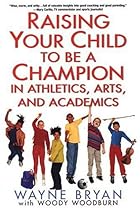
Raising Your Child to be a Champion in Athletics, Arts, and Academics by Wayne Bryan and Woody Woodburn has many ideas about how to train that might be useful in markets and in life. They believe the main thing is to have fun. They suggest constant reinforcement with trophies, medals, and small goals. They recommend that you make the one thing you wish to excel at a passion, and that it be tempered with only one other passion. They schedule every second of every day, and never leave their kids alone in the house. They recommend playing with kids, and constant tournaments. They suggest going to events like high school and college games so that the kids can enjoy the feel of college and kids that are not that far removed from them. They suggest the importance of thanking all involved in any contest including the fellow competitors and the tournament organizers. Of course, they have taken their kids out of tournaments when they didn't behave as did Kramer and Borg. They of course totally ban all TV and computer games. They have a very successful program in tennis that they run, and their kids are the best doubles team of all time. (Both were national singles winners or close to it, and were called champ by their coach at Stanford). Do you feel that this has applicability to improving in our fields?
Pitt T. Maner III writes:
 The Bryan twins were on 60 Minutes last Sunday.
Several things stood out in the interview. Lots of positives but some potential negatives. One of the brothers gave up a successful singles career in order to play doubles with his twin brother–always a possibility for future regret even though they are a great doubles team now. Other thing was the video game restriction–what they were denied in their youth they do now. So it would seem that too much discipline with children could lead them to rebel later in life in opposite directions.
There is always the survivorship argument that for all these successful kids there are a bunch of kids who become burned out on tennis, academics, and life in general. My guess is that one method fits all is not always going to work and parents would need to be very attentive to individual differences amongst their children. Too much praise (particularly if overdone and not genuine) and trophy hunting does not sound like a good thing either. Perhaps a need for balance is true for market participants also.
Rocky Humbert comments:
 The back cover of the book reads, "Byran has distilled his proven formula for success into a unique book that shows parents how to help their kids become champions in athletics, the arts, academics– and just about anything else they undertake."
A proven formula? I don't think so. (Or at least I hope not.) But early in the book the author's define "champion" in a broader way. They don't define it as being the best doubles tennis player of all time, graduating Harvard in two years, or having a ten-digit net worth.From the book: "The goal should be to raise a champion under a broader definition…. Being a champion means being fulfilled. Peace of mind and self-satisfaction."The authors continue, "There are endless definitions of a champion."And with that last sentence, I wholeheartedly agree. That recognition is applicable to every facet of our lives.
T.K Marks:
In a recent working paper by Andrew Lo, "Is It Real, or Is It Randomized?: A Financial Turing Test", his colleagues and he conclude by vowing to consider in the future the null hypothesis of the video games are bad theory.
"…More generally, human intelligence is intertwined with pattern recognition and prediction (Hawkins, 2004), and financial pattern recognition is just one of many domains in which we excel. Our simple experimental framework suggests the possibility of developing human/computer interfaces that allow us to translate certain human abilities into other domains and functional specifications. For example, with the proper interface, it may be possible to translate the hand-eye coordination of highly skilled video-gamers to completely unrelated pattern-recognition and prediction problems such as weather forecasting or financial trading. We hope to explore such interfaces in future research…"
Regarding Professor Lo's financial variation on the Turing Test and proposed consideration of the pattern recognition abilities of video gamers, if a Bletchley Park were to have to happen today, the pattern developing and recognition talents of people who write and play at a very high level some of the more sophisticated versions of those games would undoubtedly be tapped into.
Alongside Alan Turing at Bletchley Park, in addition to the usual scientific suspects whose analytical skills were asked to break the German codes (e.g., mathematicians, logicians, physicists, etc.), they also had a host of Egyptologists, chess players, even a poet, anybody and everybody whose pattern recognition skill set would better lend itself to deconstructing a very complicated puzzle.
Nigel Davies:
The mix of chess players and mathematicians at Bletchley was interesting. Coincidentally I stumbled across this article today which differentiated the intelligence of mathematicians from that of chess players:
"Everybody was fairly impressed by this quick and crafty answer and the conversation moved on. The story illustrates something important about the nature of the chess mind– how good it is at short cuts (no pun intended) and tricky ways round things. Mathematicians are usually less devious in their thinking– it is important to find direct ways to prove things." If this is correct, which is the more valuable form of intelligence for markets?
On another note, I would add that in our quest for 'love', 'approval' etc we can look for external approval within a particular sphere of excellence. Without reading the book (and I comment reluctantly without having done so) it looks to me like Wayne Bryan has found ways to link this ever more strongly to external performance. Is he to be congratulated for his efforts, as a parent?I am haunted by images of champions who go totally off the rails as they struggle with the ghosts of their childhood. In my own sphere I've met too many pushy parents making 'love' conditional on performance to join in the applause. Just this last week a kid in my chess class threw a wobbly and had a nose bleed when I enforced the touch move rule on him, costing him a rook. Needless to say his mum insists on him being the best at everything…
Comments
Archives
- October 2026
- September 2026
- August 2026
- July 2026
- June 2026
- May 2026
- April 2026
- March 2026
- February 2026
- January 2026
- December 2025
- November 2025
- October 2025
- September 2025
- August 2025
- July 2025
- June 2025
- May 2025
- April 2025
- March 2025
- February 2025
- January 2025
- December 2024
- November 2024
- October 2024
- September 2024
- August 2024
- July 2024
- June 2024
- May 2024
- April 2024
- March 2024
- February 2024
- January 2024
- December 2023
- November 2023
- October 2023
- September 2023
- August 2023
- July 2023
- June 2023
- May 2023
- April 2023
- March 2023
- February 2023
- January 2023
- December 2022
- November 2022
- October 2022
- September 2022
- August 2022
- July 2022
- June 2022
- May 2022
- April 2022
- March 2022
- February 2022
- January 2022
- December 2021
- November 2021
- October 2021
- September 2021
- August 2021
- July 2021
- June 2021
- May 2021
- April 2021
- March 2021
- February 2021
- January 2021
- December 2020
- November 2020
- October 2020
- September 2020
- August 2020
- July 2020
- June 2020
- May 2020
- April 2020
- March 2020
- February 2020
- January 2020
- December 2019
- November 2019
- October 2019
- September 2019
- August 2019
- July 2019
- June 2019
- May 2019
- April 2019
- March 2019
- February 2019
- January 2019
- December 2018
- November 2018
- October 2018
- September 2018
- August 2018
- July 2018
- June 2018
- May 2018
- April 2018
- March 2018
- February 2018
- January 2018
- December 2017
- November 2017
- October 2017
- September 2017
- August 2017
- July 2017
- June 2017
- May 2017
- April 2017
- March 2017
- February 2017
- January 2017
- December 2016
- November 2016
- October 2016
- September 2016
- August 2016
- July 2016
- June 2016
- May 2016
- April 2016
- March 2016
- February 2016
- January 2016
- December 2015
- November 2015
- October 2015
- September 2015
- August 2015
- July 2015
- June 2015
- May 2015
- April 2015
- March 2015
- February 2015
- January 2015
- December 2014
- November 2014
- October 2014
- September 2014
- August 2014
- July 2014
- June 2014
- May 2014
- April 2014
- March 2014
- February 2014
- January 2014
- December 2013
- November 2013
- October 2013
- September 2013
- August 2013
- July 2013
- June 2013
- May 2013
- April 2013
- March 2013
- February 2013
- January 2013
- December 2012
- November 2012
- October 2012
- September 2012
- August 2012
- July 2012
- June 2012
- May 2012
- April 2012
- March 2012
- February 2012
- January 2012
- December 2011
- November 2011
- October 2011
- September 2011
- August 2011
- July 2011
- June 2011
- May 2011
- April 2011
- March 2011
- February 2011
- January 2011
- December 2010
- November 2010
- October 2010
- September 2010
- August 2010
- July 2010
- June 2010
- May 2010
- April 2010
- March 2010
- February 2010
- January 2010
- December 2009
- November 2009
- October 2009
- September 2009
- August 2009
- July 2009
- June 2009
- May 2009
- April 2009
- March 2009
- February 2009
- January 2009
- December 2008
- November 2008
- October 2008
- September 2008
- August 2008
- July 2008
- June 2008
- May 2008
- April 2008
- March 2008
- February 2008
- January 2008
- December 2007
- November 2007
- October 2007
- September 2007
- August 2007
- July 2007
- June 2007
- May 2007
- April 2007
- March 2007
- February 2007
- January 2007
- December 2006
- November 2006
- October 2006
- September 2006
- August 2006
- Older Archives
Resources & Links
- The Letters Prize
- Pre-2007 Victor Niederhoffer Posts
- Vic’s NYC Junto
- Reading List
- Programming in 60 Seconds
- The Objectivist Center
- Foundation for Economic Education
- Tigerchess
- Dick Sears' G.T. Index
- Pre-2007 Daily Speculations
- Laurel & Vics' Worldly Investor Articles
