Jul
22
Quick Draw, from Scott Brooks
July 22, 2007 |
 Chess master Shelby Lyman writes:
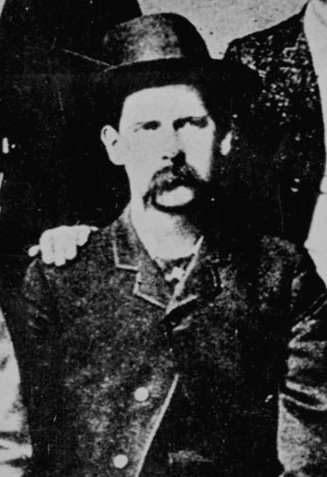
I am reminded of a much different protagonist, the lawman Wyatt Earp who famously survived many gunfights.
His adversaries usually emptied their gun or guns as rapidly as possible in his direction. Earp's modus operandi was markedly different.
Not succumbing to fear or desperation, he calmly and deliberately aimed and fired with devastating accuracy and results. Aware that the revolvers of his time were clumsy and hard to aim, he maximized his chances by emphasizing accuracy rather than speed.
The story of the gunfight reminds me of my college roommate who earned money in the summer as part of a Wild West show. It was not so much a show as it was an experience. Tourists would come to town and my roommate Matt, along with his father, brother and others, would be dressed as real cowboys in a real saloon or blacksmith shop. The whole town as supposed to be authentic (except the tourists). Staged bar fights would break out from a poker game gone bad, live cattle would be corralled. You name it; they had it.
Matt's job was as a gunfighter (same as his dad and brother). People would challenge Matt to gunfights. He would take them out on the street, face them and draw. The winner was the one who shot first (no points for accuracy when shooting blanks).
Matt and his brother made a lot of money betting people that he could beat them in a draw. He never lost. He would even give his adversary the advantage of holding the gun out in the front pointed directly at Matt. Someone would count down, 3, 2, 1, and then they would shoot at each other. All the adversary had to do was pull his trigger before Matt drew his gun and fired it. Matt never lost.
Sound's hard to believe, doesn't it? It did to me. As Matt was telling me this story in our room in the fraternity house, I told him I didn't believe him.
So Matt went and got out his revolvers. He and I both confirmed the chambers were empty. He let me pick whichever gun I wanted. He strapped on the gun belt and holstered the other one. He told me to point my gun right at him and cock the trigger back.
I didn't even need to fight the hammer when pulling the trigger, I simply needed to lightly pull the trigger and click, I would win.
Matt stood in front of me, his fingers lightly feathering his gun. He asked me how much I wanted to bet. Not being stupid (I could smell a hustle and was beginning to doubt my earlier disbelief), I decided we'd do it for fun.
He said, "I'll count to three and then we'll draw." He even did a dry run (of counting) so that I could get the cadence down. He asked me to not pull the trigger before he said 3 and I agreed.
He counted.
3, 2, 1, click.
He won.
To tell you it was a blur would be an understatement. So we repeated it again, and again, and again. He won every time.
Being a good friend, he gave me some lessons drawing a weapon.
First of all, in the movies they show guys drawing their weapons, raising them and shooting. That is all wrong. Matt would grab his gun, withdraw it from the holster while tilting it toward his adversary, and at the same time, the tip of his thumb would be pulling the hammer back and his index finger would be depressing the trigger — all of this happened simultaneously.
When the gun was level and pointed at the adversary, all he had to do was slide his thumb off the trigger (only the very tip was on it) and click, the gun would go off. The gun never left his side. He did not raise it in front of him, he simply slid it out of the holster and shot from the hip. In the old West, as Matt told me, the gunfighters actually wired their triggers back (the trigger was already pulled back), so all the had to do was pull the hammer back with the tip of their thumb and release.
He had been doing this for years, practicing for years and was a master of the quick draw. It was a real treat to watch a true master at work. And it gave me a whole new respect for what it took to be a quick draw artist in the old West.
I would have to surmise that most quick draw artist didn't have very long life expectancy in the old West. Watching Matt, I concluded that no matter how fast you were, the bullet couldn't travel fast enough to make a difference in the nanosecond between the fastest and the second fastest. They would certainly kill each other.
The only way to really win at fast draw was not to play. There is always at least one loser, and sometimes two.
I've found that sometimes in the market, people take things too seriously and feel they have to beat the other guy. They have a sense of competitiveness and ego that requires them to trounce whomever they consider their opponent. The beauty of the market is that no one necessarily has to lose. Since there is a long term positive drift of around 10%, everybody who can stomach the roller coaster ride will win. Sure, there will be bigger winners and lesser winners.
The discrepancy between the big winners and lesser winners comes from ability to exploit human nature coupled with a clear understanding of what the rules are, how the game is played, and that there are true masters out in the world that you simply can't beat, or at least can't beat often enough to make it worthwhile to step in the arena against them.
Unlike a fast draw contest or gunfight against my friend Matt, or John Wesley Hardin or Billy the Kid or Wyatt Earp, where you stand almost zero percent chance of surviving (let alone winning), when playing the market, a simple understanding of the rules and how the game is played, will allow everyone to step into the arena and come out a better and wealthier for having played.
Ken Smith remarks:
Fast draw gunslingers in real killing events did not fire from the hip; it's done only in movies and tourist shows. You can't aim from the hip, at a vital target, a specific body part, as the heart — which is a killing event.
The best guy with a gun took aim and fired, letting the hip-ster beat him to the draw. The draw was not the critical element in the shoot out; it was the aim, the gun the shooter used, the firepower of the load; these were the critical elements.
So, next time an armed criminal draws his weapon, don't worry. Let him take a quick shot while you calmly get a firm shooting grasp of your weapon and take a stance.
Comments
Archives
- October 2026
- September 2026
- August 2026
- July 2026
- June 2026
- May 2026
- April 2026
- March 2026
- February 2026
- January 2026
- December 2025
- November 2025
- October 2025
- September 2025
- August 2025
- July 2025
- June 2025
- May 2025
- April 2025
- March 2025
- February 2025
- January 2025
- December 2024
- November 2024
- October 2024
- September 2024
- August 2024
- July 2024
- June 2024
- May 2024
- April 2024
- March 2024
- February 2024
- January 2024
- December 2023
- November 2023
- October 2023
- September 2023
- August 2023
- July 2023
- June 2023
- May 2023
- April 2023
- March 2023
- February 2023
- January 2023
- December 2022
- November 2022
- October 2022
- September 2022
- August 2022
- July 2022
- June 2022
- May 2022
- April 2022
- March 2022
- February 2022
- January 2022
- December 2021
- November 2021
- October 2021
- September 2021
- August 2021
- July 2021
- June 2021
- May 2021
- April 2021
- March 2021
- February 2021
- January 2021
- December 2020
- November 2020
- October 2020
- September 2020
- August 2020
- July 2020
- June 2020
- May 2020
- April 2020
- March 2020
- February 2020
- January 2020
- December 2019
- November 2019
- October 2019
- September 2019
- August 2019
- July 2019
- June 2019
- May 2019
- April 2019
- March 2019
- February 2019
- January 2019
- December 2018
- November 2018
- October 2018
- September 2018
- August 2018
- July 2018
- June 2018
- May 2018
- April 2018
- March 2018
- February 2018
- January 2018
- December 2017
- November 2017
- October 2017
- September 2017
- August 2017
- July 2017
- June 2017
- May 2017
- April 2017
- March 2017
- February 2017
- January 2017
- December 2016
- November 2016
- October 2016
- September 2016
- August 2016
- July 2016
- June 2016
- May 2016
- April 2016
- March 2016
- February 2016
- January 2016
- December 2015
- November 2015
- October 2015
- September 2015
- August 2015
- July 2015
- June 2015
- May 2015
- April 2015
- March 2015
- February 2015
- January 2015
- December 2014
- November 2014
- October 2014
- September 2014
- August 2014
- July 2014
- June 2014
- May 2014
- April 2014
- March 2014
- February 2014
- January 2014
- December 2013
- November 2013
- October 2013
- September 2013
- August 2013
- July 2013
- June 2013
- May 2013
- April 2013
- March 2013
- February 2013
- January 2013
- December 2012
- November 2012
- October 2012
- September 2012
- August 2012
- July 2012
- June 2012
- May 2012
- April 2012
- March 2012
- February 2012
- January 2012
- December 2011
- November 2011
- October 2011
- September 2011
- August 2011
- July 2011
- June 2011
- May 2011
- April 2011
- March 2011
- February 2011
- January 2011
- December 2010
- November 2010
- October 2010
- September 2010
- August 2010
- July 2010
- June 2010
- May 2010
- April 2010
- March 2010
- February 2010
- January 2010
- December 2009
- November 2009
- October 2009
- September 2009
- August 2009
- July 2009
- June 2009
- May 2009
- April 2009
- March 2009
- February 2009
- January 2009
- December 2008
- November 2008
- October 2008
- September 2008
- August 2008
- July 2008
- June 2008
- May 2008
- April 2008
- March 2008
- February 2008
- January 2008
- December 2007
- November 2007
- October 2007
- September 2007
- August 2007
- July 2007
- June 2007
- May 2007
- April 2007
- March 2007
- February 2007
- January 2007
- December 2006
- November 2006
- October 2006
- September 2006
- August 2006
- Older Archives
Resources & Links
- The Letters Prize
- Pre-2007 Victor Niederhoffer Posts
- Vic’s NYC Junto
- Reading List
- Programming in 60 Seconds
- The Objectivist Center
- Foundation for Economic Education
- Tigerchess
- Dick Sears' G.T. Index
- Pre-2007 Daily Speculations
- Laurel & Vics' Worldly Investor Articles
