Jul
2
Technology Corner, started by Steve Leslie
July 2, 2007 |
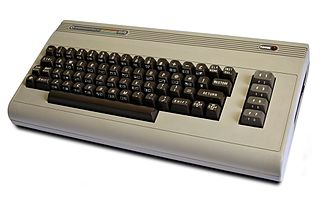 I remember back in the mid 1980s, the huge battle when AT&T and IBM entered the personal computer market. The Commodore 64 was the product that first entered the market place as I remember, in 1982, and it was an amazing hit. Then everyone else decided to pile in.
I also recall the Bowmar Brain that was so popular as a hand held calculator. Bowmar was later overtaken in market share and technology by Texas Instruments, Hewlett Packard, and others.
AT&T, after years of losing money, exited the PC business and left it to HP, Apple and Dell to charge forward. IBM is as strong and as powerful as any technology company ever was — they did not get the name "Big Blue" for nothing.
Ultimately IBM decided to leave the PC business and focus on their bread and butter mainframe business. Technology can be a very very difficult boat to steer, and it can be extremely hazardous and dangerous to stay ahead of consumer needs, wants, and demands.
Andrew Moe comments:
Talking of advancing technology, these guys are in the news today after taking apart an iPhone step by step, and identifying all the parts by make and model. If the profits are ephemeral, they won't be for Apple alone.
James Lackey adds:
The iPhone may be a leap of innovation, but of course others will adapt, and prices will fall. What is uncertain is how much innovation and cost will trickle down to the sedan market of cell phones. Perhaps that equation, how the mass market accepts and is willing to pay for the new bells and whistles, will set the pricing and production of future iPhones? Will the iPhone still be a sporty two seater high performance vehicle, or just another used sedan at 50% off current retail, in five years time.
Greg Calvin offers:
The fear of competition eating away market share of the iPod has been one of the chief concerns for aapl shareholders over the last few years. Somehow its market share has held up, despite an array of competitors entering the arena, including Microsoft and Sony. The iPod, and it would increasingly seem Apple themselves, have garnered cache, or an enviable 'cool' factor. Cache, when ingrained into the social consciousness, draws and retains business, wards off even possibly superior competition, and protects profits that would all but disappear with commoditization. Sony had it, and for the most part lost it.
The first generation iPhone needs a good number of improvements, notably Web speed, voice rec., an expansion slot, and availability of keyboard in landscape mode. A shame not to have GPS with that big beautiful display. If Apple can address the most critical of these issues, the challenge of attaining 1% market share might be done more with brand than technical wizardry. Who knows what the competition might come up with however. Advanced voice recognition apps, maybe.
Just a few of the countless names that still do at least reasonably well and lever their brand names to command premium over cheaper generic and/or superior competition include Coke, Bayer, Nyquil, Listerine, Marlboro, Intel, Rolex, Bose Wave $400 alarm clocks, Oakley, diamonds, Baskin Robbins, Harley Davidson, Jim Beam, Windows, Rolls Royce, Foster Farms, Chanel, Federal Express and Starbucks.
Alan Millhone adds:
In 1964 my parents took my to NYC for the World's Fair. My father worked all his life for the telephone company and I remember going to the 'Ma Bell' exhibit with them. There we saw things of the future like being able to see one another when you talk!
Scott Brooks adds:
I am reminded of two things from college (1982 - 1986) at little 'ol Southeast Missouri State University.
I took a statistics class and we had what I believe were Texas Instrument calculators. They were a bit bigger and bulkier than the units we have available today (maybe the size of two or three calculators stacked on top of each other). Their read-outs were all and you had to push the buttons real hard to the point where they "clicked". But what I remember most about them was that they were "caged" to the desks. Literally attached to the desk by some sort of metal unit that prevented them from being stolen.
The other thing I remember was that the statistics professor, who was also a psychology instructor, had me do an experiment with him of the effects of Scopolamine Hydrobromide on mice. It was pretty cool. I got to give mice shots of SHB, and put them in spinning apparatus to make them dizzy. Then the coolest part was that I got to do brain surgery on the mice.
At the end of the experiment, I had to type up a paper on my findings and notes. Bob, one of my fraternity brothers, had this typewriter looking thing that had a small screen on the front of it (similar in size to the read out screen on an calculator). You could type the words and see them scroll across the screen. As a result, you could proof read what you were typing, but only one or two words at a time. And there was no spell check so you’d better know how to spell. If memory serves me right the read out was so small that I couldn't even fit big words or phrases on the screen at the same time.
It was a very slow and tedious way to type a paper. Finally Bob, who was a computer science major, decided to type it for me since he figured he'd need the practice to be ready for the real world. I remember thinking to myself that he wasted his college career on a worthless major. I couldn't see how computers were ever going to catch on. There was no way that this tedious machine with a small 10 or so letter screen was ever going to achieve wide spread public acceptance!
I don't know what ever became of Bob. What I do know is that I was completely wrong about computers. I've never forgotten that lesson and try to apply it to my life everyday, especially when confronted with something that I think is stupid and a waste of time. I try to look beyond whatever that something is today and see what it can become tomorrow!
Comments
Archives
- October 2026
- September 2026
- August 2026
- July 2026
- June 2026
- May 2026
- April 2026
- March 2026
- February 2026
- January 2026
- December 2025
- November 2025
- October 2025
- September 2025
- August 2025
- July 2025
- June 2025
- May 2025
- April 2025
- March 2025
- February 2025
- January 2025
- December 2024
- November 2024
- October 2024
- September 2024
- August 2024
- July 2024
- June 2024
- May 2024
- April 2024
- March 2024
- February 2024
- January 2024
- December 2023
- November 2023
- October 2023
- September 2023
- August 2023
- July 2023
- June 2023
- May 2023
- April 2023
- March 2023
- February 2023
- January 2023
- December 2022
- November 2022
- October 2022
- September 2022
- August 2022
- July 2022
- June 2022
- May 2022
- April 2022
- March 2022
- February 2022
- January 2022
- December 2021
- November 2021
- October 2021
- September 2021
- August 2021
- July 2021
- June 2021
- May 2021
- April 2021
- March 2021
- February 2021
- January 2021
- December 2020
- November 2020
- October 2020
- September 2020
- August 2020
- July 2020
- June 2020
- May 2020
- April 2020
- March 2020
- February 2020
- January 2020
- December 2019
- November 2019
- October 2019
- September 2019
- August 2019
- July 2019
- June 2019
- May 2019
- April 2019
- March 2019
- February 2019
- January 2019
- December 2018
- November 2018
- October 2018
- September 2018
- August 2018
- July 2018
- June 2018
- May 2018
- April 2018
- March 2018
- February 2018
- January 2018
- December 2017
- November 2017
- October 2017
- September 2017
- August 2017
- July 2017
- June 2017
- May 2017
- April 2017
- March 2017
- February 2017
- January 2017
- December 2016
- November 2016
- October 2016
- September 2016
- August 2016
- July 2016
- June 2016
- May 2016
- April 2016
- March 2016
- February 2016
- January 2016
- December 2015
- November 2015
- October 2015
- September 2015
- August 2015
- July 2015
- June 2015
- May 2015
- April 2015
- March 2015
- February 2015
- January 2015
- December 2014
- November 2014
- October 2014
- September 2014
- August 2014
- July 2014
- June 2014
- May 2014
- April 2014
- March 2014
- February 2014
- January 2014
- December 2013
- November 2013
- October 2013
- September 2013
- August 2013
- July 2013
- June 2013
- May 2013
- April 2013
- March 2013
- February 2013
- January 2013
- December 2012
- November 2012
- October 2012
- September 2012
- August 2012
- July 2012
- June 2012
- May 2012
- April 2012
- March 2012
- February 2012
- January 2012
- December 2011
- November 2011
- October 2011
- September 2011
- August 2011
- July 2011
- June 2011
- May 2011
- April 2011
- March 2011
- February 2011
- January 2011
- December 2010
- November 2010
- October 2010
- September 2010
- August 2010
- July 2010
- June 2010
- May 2010
- April 2010
- March 2010
- February 2010
- January 2010
- December 2009
- November 2009
- October 2009
- September 2009
- August 2009
- July 2009
- June 2009
- May 2009
- April 2009
- March 2009
- February 2009
- January 2009
- December 2008
- November 2008
- October 2008
- September 2008
- August 2008
- July 2008
- June 2008
- May 2008
- April 2008
- March 2008
- February 2008
- January 2008
- December 2007
- November 2007
- October 2007
- September 2007
- August 2007
- July 2007
- June 2007
- May 2007
- April 2007
- March 2007
- February 2007
- January 2007
- December 2006
- November 2006
- October 2006
- September 2006
- August 2006
- Older Archives
Resources & Links
- The Letters Prize
- Pre-2007 Victor Niederhoffer Posts
- Vic’s NYC Junto
- Reading List
- Programming in 60 Seconds
- The Objectivist Center
- Foundation for Economic Education
- Tigerchess
- Dick Sears' G.T. Index
- Pre-2007 Daily Speculations
- Laurel & Vics' Worldly Investor Articles
