May
17
Old Men, by Victor Niederhoffer
May 17, 2007 |
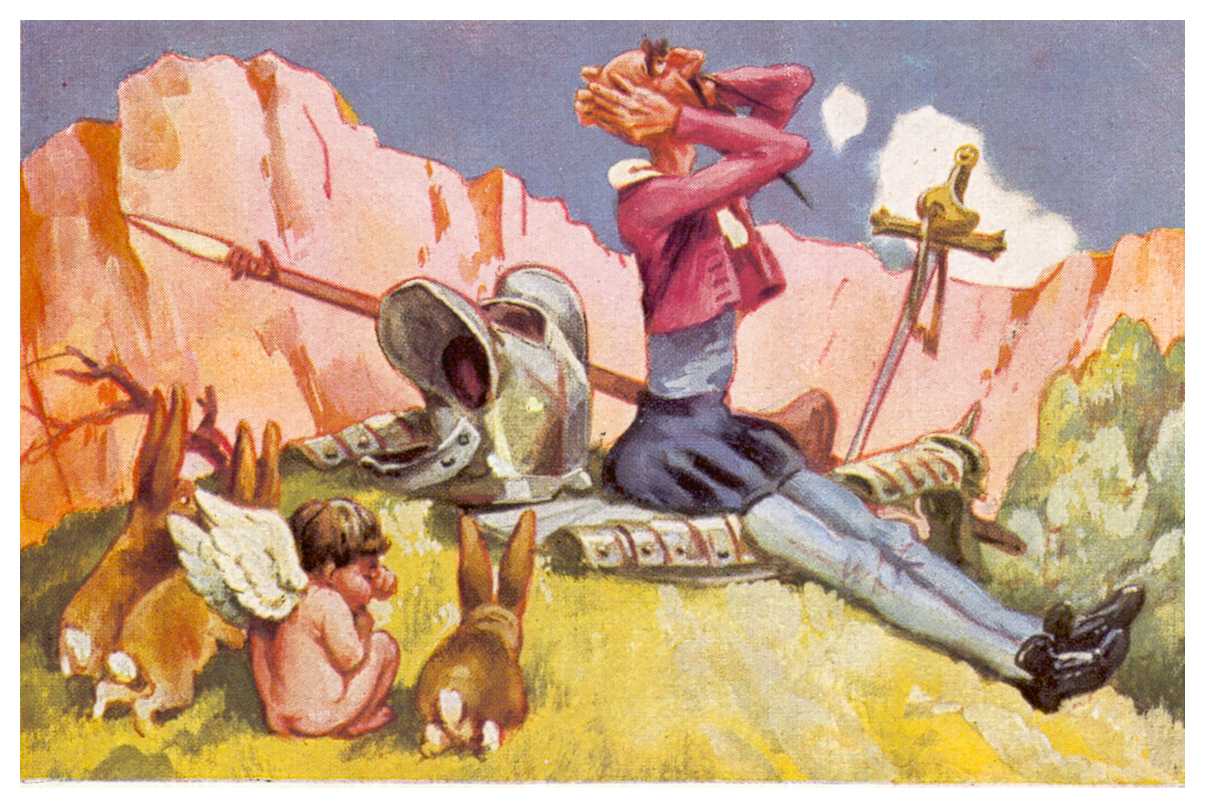 I have heard that the cause of Cyril Burt's death was gallantry to women. He insisted on walking a lady back to the subway in the rain, and died of flu a few days later.
We often see this trait in old men; an unholy courtliness to women, especially attractive ones, that borders on fixation and would be inappropriate for anyone under 70.
Certainly the Greenspan transcript on 9/11, with him showing off that he does not like the cutoff in a certain chart and that he has been fooling with his short wave radio, even as the tragedy unfolds, is a sign of sickness.
What is the general tendency of men to be overly chivalrous and boastful? This is something that is a certain mark of decay in people like the Sage, the weekly financial columnists, and the fake doctor.
I wonder if this tendency is more prevalent among chronic pessimists, and is it a symptom of something much worse?
Vincent Andres adds:
It makes me think strongly about so many mothers who infantalize their children consciously or unconsciously? This point is not clear to me. Some women may have a real pathological and uncontrollable drive to remain mothers. Their goal seems very clear. Remain a mother. Remain a needed mother. Remain young.
Such mothers what to show the neighborhood "see how well I educate my child," and doing in fact exactly the opposite. They actually poorly socialize their kids to keep them dependant on their mom, the "only one able to understand them". The number of very precise and efficient tricks and tactics used to accomplish this is amazing.
Of course the concerned child also remain young. At 30 always at mom's home (or in jail), depending on mom's money, etc. Could any child escape this kind of situation? How? It's so cool to stay a child. This seems much more common today than 20 years ago.
Janice Dorn replies:
It is my experience that this situation differs from person to person with aging. Men of an older age tend to view themselves and women in a framework which exaggerates that which they held when younger. In essence, personality tendencies of youth are magnified in adulthood.
A depressive tends to become more depressive, a person with obsession or compulsion tends to become more obsessive and compulsive. There are certainly instances where dementia and other sorts of degenerative brain injury can lead people to behave erratically (go naked in public, go after young boys, other inappropriate behavior).
For the most part, however, "normal" aging appears to reflect exacerbation of qualities present when they were younger. You will always find those who are a sucker for a pretty face and youthful body (think of any number of women and men who use this and exploit it as a lifestyle).
By the same token, misogynists become more so. I believe that these are normal so-called defense mechanisms which individuals use in an attempt to not lose themselves.
In other words, the magnification of the personality traits with aging represents the strong need to hold on to those aspects of self which the person senses they are losing.
George Vaillant from Harvard has done some very nice lifestyle through the ages work, including study of the ego. I believe his earlier work was a bit more serious than that recently where he appears to be directing more to the masses, happiness and spirituality.
David Hillman mentions:
"Becoming a caricature of oneself," as I'm fond of calling it, was evident in corresponding for some time with a famous author who had written his magnum opus and done other good work in the '60's.
For the next 40 years, he continued to hammer away at the same off-beat theme to anyone who would listen. Increasingly fewer would. His reaction was to pump up the volume. The longer he kept it up, the more tiresome he and his theme became.
Rather than appearing to be the life-sized, thoughtful guy with interesting theoretical ideas he once was, he looked to be a ranting, bloated, washed up, parade-balloon-sized radical who hadn't had an original idea in years and couldn't let go.
At the time of our last correspondence, he was actually still quite a vital and active near-nonagenarian, and a really nice guy, but who would have known? It makes a pretty strong argument for introspection and re-inventing oneself from time to time.

Also, in this respect to 'an unholy courtliness to women,' I highly recommend Memories of My Melancholy Whores by Gabriel Garcia Marquez.
….García Márquez's slim, reflective contribution to the romance of the brothel, his first book-length fiction in a decade, is narrated by perhaps the greatest connoisseur ever of girls for hire. After a lifetime spent in the arms of prostitutes (514 when he loses count at age 50), the unnamed journalist protagonist decides that his gift to himself on his 90th birthday will be a night with an adolescent virgin. But age, followed by the unexpected blossoming of love, disrupts his plans, and he finds himself wooing the allotted 14-year-old in silence for a year, sitting beside her as she sleeps and contemplating a life idly spent….. — Amazon.com
Laurel Kenner quotes:
SENEX AMANS (from Latin "ancient lover"; also spelled senex amanz in Old French):
A stock character in medieval fabliaux, courtly romances, and in classical drama, the senex amans is an old, ugly, jealous man who is married to a younger, attractive but unhappy woman. He is often a poor lover (or even impotent) with bad breath, wrinkled skin, and grey hair.
He is frequently cuckolded by a younger, handsome, virile man who secretly seduces his wife. We find examples of the senex amans in Chaucer's "Miller's Tale" and "The Merchant's Tale," and in various other fabliaux. Likewise, the motif also appears in the medieval French lais such as Marie de France's "Guigemar" and similar works such as Tristan and Iseult.
The motif of the senex amans often becomes useful for fast characterization, since it often can quickly cast a predatory light on an elderly male antagonist. An example of such use would be the old king of Ghana pursuing the young Imoinda in Aphra Behn's Oronooko, or any of the aging aristocrats sadistically pursuing young innocent girls in Gothic novels. [Read More]
Comments
Archives
- October 2026
- September 2026
- August 2026
- July 2026
- June 2026
- May 2026
- April 2026
- March 2026
- February 2026
- January 2026
- December 2025
- November 2025
- October 2025
- September 2025
- August 2025
- July 2025
- June 2025
- May 2025
- April 2025
- March 2025
- February 2025
- January 2025
- December 2024
- November 2024
- October 2024
- September 2024
- August 2024
- July 2024
- June 2024
- May 2024
- April 2024
- March 2024
- February 2024
- January 2024
- December 2023
- November 2023
- October 2023
- September 2023
- August 2023
- July 2023
- June 2023
- May 2023
- April 2023
- March 2023
- February 2023
- January 2023
- December 2022
- November 2022
- October 2022
- September 2022
- August 2022
- July 2022
- June 2022
- May 2022
- April 2022
- March 2022
- February 2022
- January 2022
- December 2021
- November 2021
- October 2021
- September 2021
- August 2021
- July 2021
- June 2021
- May 2021
- April 2021
- March 2021
- February 2021
- January 2021
- December 2020
- November 2020
- October 2020
- September 2020
- August 2020
- July 2020
- June 2020
- May 2020
- April 2020
- March 2020
- February 2020
- January 2020
- December 2019
- November 2019
- October 2019
- September 2019
- August 2019
- July 2019
- June 2019
- May 2019
- April 2019
- March 2019
- February 2019
- January 2019
- December 2018
- November 2018
- October 2018
- September 2018
- August 2018
- July 2018
- June 2018
- May 2018
- April 2018
- March 2018
- February 2018
- January 2018
- December 2017
- November 2017
- October 2017
- September 2017
- August 2017
- July 2017
- June 2017
- May 2017
- April 2017
- March 2017
- February 2017
- January 2017
- December 2016
- November 2016
- October 2016
- September 2016
- August 2016
- July 2016
- June 2016
- May 2016
- April 2016
- March 2016
- February 2016
- January 2016
- December 2015
- November 2015
- October 2015
- September 2015
- August 2015
- July 2015
- June 2015
- May 2015
- April 2015
- March 2015
- February 2015
- January 2015
- December 2014
- November 2014
- October 2014
- September 2014
- August 2014
- July 2014
- June 2014
- May 2014
- April 2014
- March 2014
- February 2014
- January 2014
- December 2013
- November 2013
- October 2013
- September 2013
- August 2013
- July 2013
- June 2013
- May 2013
- April 2013
- March 2013
- February 2013
- January 2013
- December 2012
- November 2012
- October 2012
- September 2012
- August 2012
- July 2012
- June 2012
- May 2012
- April 2012
- March 2012
- February 2012
- January 2012
- December 2011
- November 2011
- October 2011
- September 2011
- August 2011
- July 2011
- June 2011
- May 2011
- April 2011
- March 2011
- February 2011
- January 2011
- December 2010
- November 2010
- October 2010
- September 2010
- August 2010
- July 2010
- June 2010
- May 2010
- April 2010
- March 2010
- February 2010
- January 2010
- December 2009
- November 2009
- October 2009
- September 2009
- August 2009
- July 2009
- June 2009
- May 2009
- April 2009
- March 2009
- February 2009
- January 2009
- December 2008
- November 2008
- October 2008
- September 2008
- August 2008
- July 2008
- June 2008
- May 2008
- April 2008
- March 2008
- February 2008
- January 2008
- December 2007
- November 2007
- October 2007
- September 2007
- August 2007
- July 2007
- June 2007
- May 2007
- April 2007
- March 2007
- February 2007
- January 2007
- December 2006
- November 2006
- October 2006
- September 2006
- August 2006
- Older Archives
Resources & Links
- The Letters Prize
- Pre-2007 Victor Niederhoffer Posts
- Vic’s NYC Junto
- Reading List
- Programming in 60 Seconds
- The Objectivist Center
- Foundation for Economic Education
- Tigerchess
- Dick Sears' G.T. Index
- Pre-2007 Daily Speculations
- Laurel & Vics' Worldly Investor Articles
