Nov
24
Stops, from Hernan Avella
November 24, 2024 |
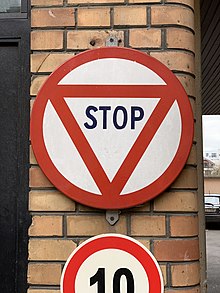
Contrary to what has often been repeated on this esteemed list over the years, the art and process of trading is fundamentally the art and process of setting the right stops. Simpletons may claim that adding stops to a system (trading ES) reduces profitability, but that's only because the system itself is flawed, with laziness baked into its design. Setting the right stop is an integral process—it involves gauging current and expected volatility, weighing potential paths, and accounting for the bias.
Steve Ellison writes:
One of my best experiences with this list was that at the sparsely attended Spec Party in summer 2009, the 20 or so of us who were there had a very spirited discussion in Victor's living room about whether it was advisable to use stops or not. Many excellent points were made both pro and con.
Speaking for myself, I usually don't enter stop orders because they become part of the market, but I have mental stops. On the rare occasions when I actually have a profit, I am determined to not let it turn into a loss. And if a trade goes against me (by a nontrivial amount), that's new information that apparently my original analysis missed; in that case I am determined not to let a small loss turn into a big loss.
To put it another way, I entered a trade because I thought I had an edge, but the market moved in the wrong direction. Maybe something bigger is going on than, say, my analysis of the last 10 post-options-expiration weeks.
Big Al offers:
Stop Orders in Select Futures Markets
Nicholas Fett and Lihong McPhail
Office of the Chief Economist
Commodity Futures Trading Commission
August 29, 2017
This paper analyzes trade and order book audit trail data to provide a detailed summary of the use of stop orders in select futures markets; specifically E-mini S&P 500 Futures, Ten Year Treasury Note Futures, and WTI Crude Oil Futures. Recent flash rallies and the ever increasing speed of futures markets have called into question the appropriateness of traditional stop order strategies. By utilizing metrics related to both placement of and execution of stop orders, we show that stop orders are being used in these futures contracts with varying frequency and the strategy of stop order placement varies greatly by participant. As expected, trades involving stop orders are found to be highly correlated with intraday price volatility. Existence of stop orders is generally unknown to market participants as stop orders are not visible in the orderbook but must be triggered by a trade in the market at the corresponding price. More importantly, our analysis indicates that many traders are not only using stop orders for hedging purposes but also using them for latency reduction strategies. We provide a background on the usage and depth associated with stop orders in selected futures markets.
Larry Williams responds:
THANKS FOR THE POST. This should dispel the notion "they are going after my stops."
Asindu Drileba writes:
I don't actually use stops at all. My position size is my stop. I only bet a maximum of 3% of my bankroll. I really only get out of the market when I am liquidated. I sleep knowing that if I am to loose, my maximum loss is capped at 3%. I don't even respond to margin call emails. I often want to capture the moves between the daily open and the close. So what happens in between is something I usually ignore.
Comments
Archives
- September 2026
- August 2026
- July 2026
- June 2026
- May 2026
- April 2026
- March 2026
- February 2026
- January 2026
- December 2025
- November 2025
- October 2025
- September 2025
- August 2025
- July 2025
- June 2025
- May 2025
- April 2025
- March 2025
- February 2025
- January 2025
- December 2024
- November 2024
- October 2024
- September 2024
- August 2024
- July 2024
- June 2024
- May 2024
- April 2024
- March 2024
- February 2024
- January 2024
- December 2023
- November 2023
- October 2023
- September 2023
- August 2023
- July 2023
- June 2023
- May 2023
- April 2023
- March 2023
- February 2023
- January 2023
- December 2022
- November 2022
- October 2022
- September 2022
- August 2022
- July 2022
- June 2022
- May 2022
- April 2022
- March 2022
- February 2022
- January 2022
- December 2021
- November 2021
- October 2021
- September 2021
- August 2021
- July 2021
- June 2021
- May 2021
- April 2021
- March 2021
- February 2021
- January 2021
- December 2020
- November 2020
- October 2020
- September 2020
- August 2020
- July 2020
- June 2020
- May 2020
- April 2020
- March 2020
- February 2020
- January 2020
- December 2019
- November 2019
- October 2019
- September 2019
- August 2019
- July 2019
- June 2019
- May 2019
- April 2019
- March 2019
- February 2019
- January 2019
- December 2018
- November 2018
- October 2018
- September 2018
- August 2018
- July 2018
- June 2018
- May 2018
- April 2018
- March 2018
- February 2018
- January 2018
- December 2017
- November 2017
- October 2017
- September 2017
- August 2017
- July 2017
- June 2017
- May 2017
- April 2017
- March 2017
- February 2017
- January 2017
- December 2016
- November 2016
- October 2016
- September 2016
- August 2016
- July 2016
- June 2016
- May 2016
- April 2016
- March 2016
- February 2016
- January 2016
- December 2015
- November 2015
- October 2015
- September 2015
- August 2015
- July 2015
- June 2015
- May 2015
- April 2015
- March 2015
- February 2015
- January 2015
- December 2014
- November 2014
- October 2014
- September 2014
- August 2014
- July 2014
- June 2014
- May 2014
- April 2014
- March 2014
- February 2014
- January 2014
- December 2013
- November 2013
- October 2013
- September 2013
- August 2013
- July 2013
- June 2013
- May 2013
- April 2013
- March 2013
- February 2013
- January 2013
- December 2012
- November 2012
- October 2012
- September 2012
- August 2012
- July 2012
- June 2012
- May 2012
- April 2012
- March 2012
- February 2012
- January 2012
- December 2011
- November 2011
- October 2011
- September 2011
- August 2011
- July 2011
- June 2011
- May 2011
- April 2011
- March 2011
- February 2011
- January 2011
- December 2010
- November 2010
- October 2010
- September 2010
- August 2010
- July 2010
- June 2010
- May 2010
- April 2010
- March 2010
- February 2010
- January 2010
- December 2009
- November 2009
- October 2009
- September 2009
- August 2009
- July 2009
- June 2009
- May 2009
- April 2009
- March 2009
- February 2009
- January 2009
- December 2008
- November 2008
- October 2008
- September 2008
- August 2008
- July 2008
- June 2008
- May 2008
- April 2008
- March 2008
- February 2008
- January 2008
- December 2007
- November 2007
- October 2007
- September 2007
- August 2007
- July 2007
- June 2007
- May 2007
- April 2007
- March 2007
- February 2007
- January 2007
- December 2006
- November 2006
- October 2006
- September 2006
- August 2006
- Older Archives
Resources & Links
- The Letters Prize
- Pre-2007 Victor Niederhoffer Posts
- Vic’s NYC Junto
- Reading List
- Programming in 60 Seconds
- The Objectivist Center
- Foundation for Economic Education
- Tigerchess
- Dick Sears' G.T. Index
- Pre-2007 Daily Speculations
- Laurel & Vics' Worldly Investor Articles
