Jul
14
Bonds, from Nils Poertner
July 14, 2023 |
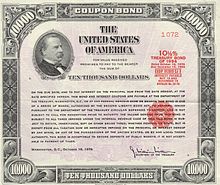
like Sidney Homer used to say- "sooner or later every generation is shocked by the behaviour of interest rates."
Hernan Avella disagrees:
I don't think many people can be shocked, given the data we have from the 80's. Most asset holders are older folks anyways, that have the memories of the Volker era deep in their heads.
Stefan Jovanovich offers:
Edward Chancellor interview
High Interest Rates To “Slay” Zombified Companies | Edward Chancellor & Joseph Wang
Kim Zussman adds:
America’s Retirees Are Investing More Like 30-Year-Olds
At Vanguard, one-fifth of taxable brokerage account investors aged 85 or older have nearly all their money in stocks
William Huggins responds:
i suspect a good part of that boils down to how one's asset portfolio is defined. most studies of brokerage accounts don't account (haha) for the real estate, pension, insurance, or physical assets of those being studied. if most of my income is derived from a secure pension, its (mathematically) a pretty good approximation to drawing the yield from a large investment grade bond portfolio (less the liquidity). owning your home (usual by 85) would similarly constitute a "housing cost equivalent" yield, as would any reliable health benefits being drawn. seen in that way, one's discretionary funds being kept in equities would be quite reasonable.
Zubin Al Genubi reminisces:
Sure would have been nice to own 17% bonds. 5% not too bad though.
Nils Poertner offers:
Big investors rush into bonds after ‘cataclysmic’ year
Capital Group predicts $1tn will flow into debt markets in next few years as investors move to lock in higher yields
Henry Gifford writes:
In the 1970s my father bought some New York City municipal bonds. At the time there were rumors that the city government was going to go broke. I heard my father say “How can the government go broke? When they want money all they have to do is send people bills.”
The city government defaulted on the bonds. It was widely reported in the news as a disaster, with various solutions to the terrible problem proposed. I was only a teenager, but didn’t see a problem with the government not being able to borrow money any more. I still think it would be great. But, most people believed it was a terrible problem, with disaster looming.
My father reacted by buying more of the bonds – “default” meant they mailed his checks one week late. The bonds were triple tax free: no federal income taxes, no NY State income taxes, and no NY City income taxes. The bonds paid 28%. It was the only time in my father’s life that he borrowed money – to buy more of those 28% bonds. I have no idea for how many years he was collecting 28%.
I started buying apartment houses in Manhattan when I was 20. It was normal to pay 12% interest. One time I bought a small building – only four families – with the goal of replacing the 12% seller-financed loan with an 8% bank loan on an owner-occupied property. I moved into the building, fixed it up, but never managed to get a city inspector to come inspect and remove all the violations without inventing some new ones, as I never bribed an inspector. But for a long time I dreamed of refinancing a little bit of my real estate at 8%.
Nils Poertner responds:
tangentially speaking . we would need to have experience from bond traders of the 1970s and 1980s, today is more leverage though and we have more complex system so not sure how much that would really help. collective mind has been in a long mental bear mkts as well. we need nerves of steel in coming yrs and imagination.
Comments
Archives
- September 2026
- August 2026
- July 2026
- June 2026
- May 2026
- April 2026
- March 2026
- February 2026
- January 2026
- December 2025
- November 2025
- October 2025
- September 2025
- August 2025
- July 2025
- June 2025
- May 2025
- April 2025
- March 2025
- February 2025
- January 2025
- December 2024
- November 2024
- October 2024
- September 2024
- August 2024
- July 2024
- June 2024
- May 2024
- April 2024
- March 2024
- February 2024
- January 2024
- December 2023
- November 2023
- October 2023
- September 2023
- August 2023
- July 2023
- June 2023
- May 2023
- April 2023
- March 2023
- February 2023
- January 2023
- December 2022
- November 2022
- October 2022
- September 2022
- August 2022
- July 2022
- June 2022
- May 2022
- April 2022
- March 2022
- February 2022
- January 2022
- December 2021
- November 2021
- October 2021
- September 2021
- August 2021
- July 2021
- June 2021
- May 2021
- April 2021
- March 2021
- February 2021
- January 2021
- December 2020
- November 2020
- October 2020
- September 2020
- August 2020
- July 2020
- June 2020
- May 2020
- April 2020
- March 2020
- February 2020
- January 2020
- December 2019
- November 2019
- October 2019
- September 2019
- August 2019
- July 2019
- June 2019
- May 2019
- April 2019
- March 2019
- February 2019
- January 2019
- December 2018
- November 2018
- October 2018
- September 2018
- August 2018
- July 2018
- June 2018
- May 2018
- April 2018
- March 2018
- February 2018
- January 2018
- December 2017
- November 2017
- October 2017
- September 2017
- August 2017
- July 2017
- June 2017
- May 2017
- April 2017
- March 2017
- February 2017
- January 2017
- December 2016
- November 2016
- October 2016
- September 2016
- August 2016
- July 2016
- June 2016
- May 2016
- April 2016
- March 2016
- February 2016
- January 2016
- December 2015
- November 2015
- October 2015
- September 2015
- August 2015
- July 2015
- June 2015
- May 2015
- April 2015
- March 2015
- February 2015
- January 2015
- December 2014
- November 2014
- October 2014
- September 2014
- August 2014
- July 2014
- June 2014
- May 2014
- April 2014
- March 2014
- February 2014
- January 2014
- December 2013
- November 2013
- October 2013
- September 2013
- August 2013
- July 2013
- June 2013
- May 2013
- April 2013
- March 2013
- February 2013
- January 2013
- December 2012
- November 2012
- October 2012
- September 2012
- August 2012
- July 2012
- June 2012
- May 2012
- April 2012
- March 2012
- February 2012
- January 2012
- December 2011
- November 2011
- October 2011
- September 2011
- August 2011
- July 2011
- June 2011
- May 2011
- April 2011
- March 2011
- February 2011
- January 2011
- December 2010
- November 2010
- October 2010
- September 2010
- August 2010
- July 2010
- June 2010
- May 2010
- April 2010
- March 2010
- February 2010
- January 2010
- December 2009
- November 2009
- October 2009
- September 2009
- August 2009
- July 2009
- June 2009
- May 2009
- April 2009
- March 2009
- February 2009
- January 2009
- December 2008
- November 2008
- October 2008
- September 2008
- August 2008
- July 2008
- June 2008
- May 2008
- April 2008
- March 2008
- February 2008
- January 2008
- December 2007
- November 2007
- October 2007
- September 2007
- August 2007
- July 2007
- June 2007
- May 2007
- April 2007
- March 2007
- February 2007
- January 2007
- December 2006
- November 2006
- October 2006
- September 2006
- August 2006
- Older Archives
Resources & Links
- The Letters Prize
- Pre-2007 Victor Niederhoffer Posts
- Vic’s NYC Junto
- Reading List
- Programming in 60 Seconds
- The Objectivist Center
- Foundation for Economic Education
- Tigerchess
- Dick Sears' G.T. Index
- Pre-2007 Daily Speculations
- Laurel & Vics' Worldly Investor Articles
