Apr
14
The 7 Emotional Styles of Athletes, from Ken Woodfin
April 14, 2014 |
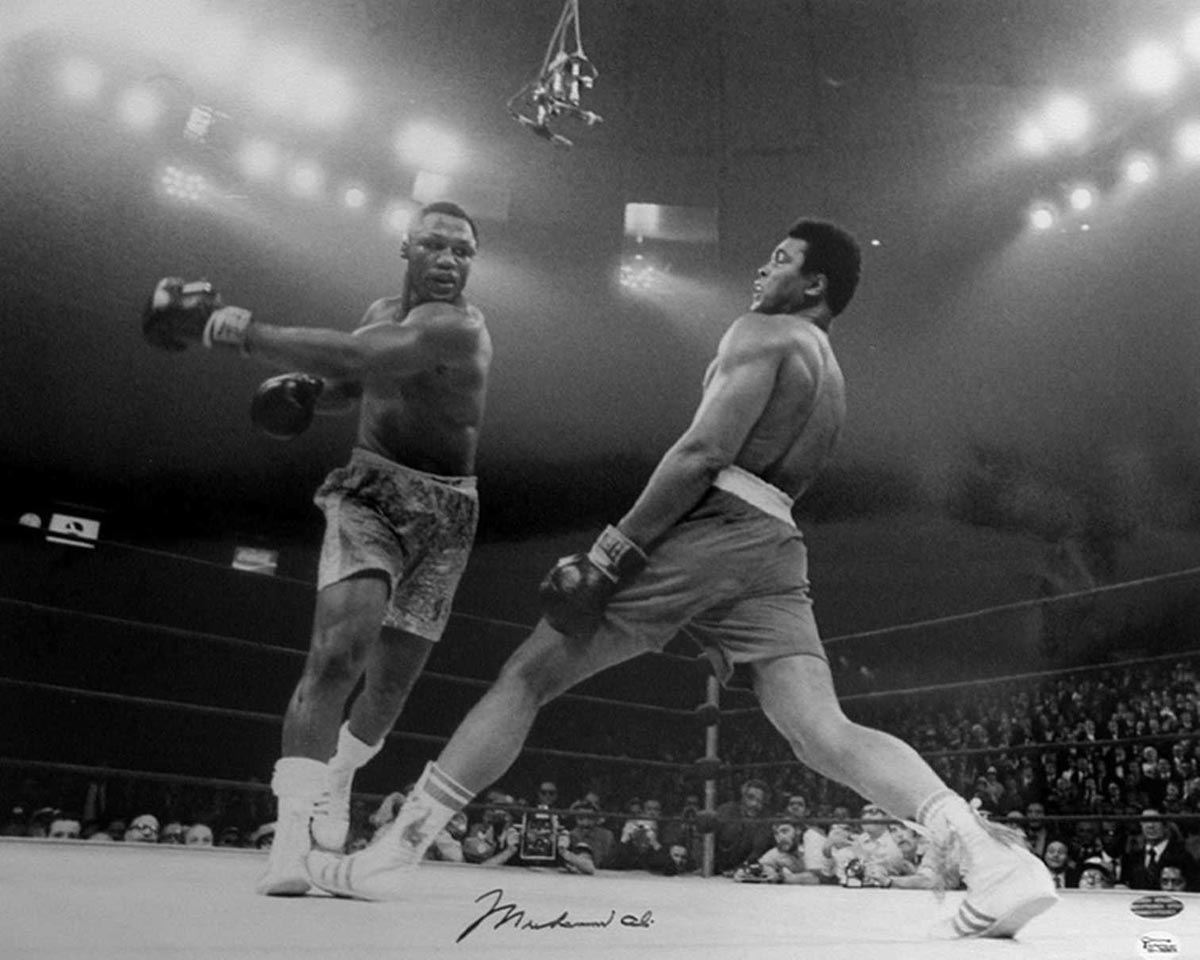 Sports emotions can range from satisfaction to exhilaration to inspiration or less favorably to frustration to anger to fear to panic, and emotions often change in just seconds when in training or competition.
The Sports Pyramid
Emotions is at the Top of the Sport Performance Pyramid with physical and mental the other two. Emotions dictate your ability to perform at a consistently high level under challenging conditions. Why do you want consistency from your emotions? As your emotions go, so goes your performance. The ideal: respond positively to challenges. How you master your emotions empowers you to use them as tools to perform better rather than as weapons to hurt your game.
Emotional Styles:
There are seven emotional styles among athletes: Bubbler, Actor Outer, Mr. Negative, Positive Thinker, Manipulator, Superior One, and THE GOAL, Grand Master. These are how athletes respond emotionally to their sport. Athletes with a certain style often react in a predictable way when they find themselves in a demanding situation. The emotional styles are defined as …
The Bubbler
A Bubbler feels frustration AND anger build slowly. A Bubbler often appears in emotional control because negative emotions haven't surfaced, YET! The Bubbler keeps frustration and anger bottled up or in check when performing well and the competition is mostly going their way. If competition turns or they make a crucial error, a Bubbler may bubble and boil over and they implode and lose emotional control. Often, when not able to reestablish control, a Bubbler ends up sabotaging for themselves the competition or others (doubles partner, spectators, fans). Bummer. They self-destruct.
The Actor Outer
An Actor Outer feels anger and frustration strongly, but expresses those emotions immediately and openly. No internalizing here -heart on sleeve. Showing strong emotions relieves (or so they think). Emotions arise, are expressed, and then are released. By doing this an Actor Outer maintains a kind of emotional equilibrium in balance. Up to a point, the ongoing emotional vent helps his performance by increasing motivation and intensity and keeps emotions in check; they think. The Actor Outer lets negative emotions out, but do they really let them go? When competition turns, rage builds up until it finally engulfs and consumes and then controls them. At this point, emotions become enemies and performance deteriorates to losing a run of points or repeating unforced errors over and over and over. They self-explode. They're ugly to watch detonate. They act out.
The Mr. Negative
The Mr. Negative feels strong negative emotions. Most common emotions are despair and helplessness. Mr. Negative dwells often on negative experiences and dwells on his feelings. The Mr. Negative may pout. He looks miserable. Mr. Negative is very sensitive to highs and lows of competition and emotions tend to mirror these natural ups and downs of play. When performing well and winning, Mr. Negative is fine; but if he plays poorly and is losing "down" emotions emerge and hurt his performance. Mr. Negative often has an absorbing defeatist attitude and may give up under pressure. Many players and most Mr. Negatives have some brooding qualities, and those qualities can prevent their getting to the top of their sport, or station in life.
The Manipulator
The Manipulator is driven by emotions to become a puppeteer. Psychologically he targets his competitor, the referee, the crowd or all three. He tries through intimidation, confrontation, and gamesmanship to cleverly control the situation to do as he pleases. He raises the ire of his competitor. He may look to get the ref to do a make-up call for a prior that went against him. The Manipulator may decide to turn the crowd against him just to fire himself up. Or, he may get the crowd to cheer for him by showing off and belittling his competitor's mistakes. The fatal flaw for the Manipulator is that without the ability to be a puppeteer or "drama queen" he falls apart and shrinks down to true size when he is unable to pull the strings.
The Positive Thinker
An extremely common style is the Positive Thinker. He believes when there is no basis for belief. When the parachute doesn't open and the reserve chute fails to deploy, Positive Thinker still says, "So far so good". The Positive Thinker mindset is based on 'all things are doable', when he believes. Why is the Positive Thinker a winner at the State level but a loser at the National level? The state championships brim with Positive Thinkers who use positivism as their training wheels. Then they run into a wall of talent at the national level. They fall apart at the ultimate level because any amount of thinking positively that doesn't address reality evaporates.
The Superior One
The Superior One is seen by his competitors as believing he is all knowing. He's so vain he probably thinks this paragraph defines him. He is also bent on giving post-points lectures, detailing rules nuances, and explaining his reality. The Superior One must pontificate. If he's slips from the top, the superior one may vent his anger, play mad at the world, and direct wrath at his partner or competitor. The flaw in his crown comes in the long run that he must continually correct and be correct to remain effective. If he is once wrong he loses the audience and there goes his grip. The Empower has no clothes.
The Grand Master
The Grand Master is the rarest of emotional styles. He seems to play sans emotion. He is all about executing his form and tactics. He seems to play in the zone or return back there on demand. He lets emotions ride through him that jolt most, and he continues with barely a grin or grimace all the way through match point. When losing or struggling, the Grand Master reinvests his energy into getting better. The Grand Master is unaffected by threat and negative emotions. Errors, a poor performance, and losing seem to slide off the Grand Master, as if he were made of Teflon. He owns the ability to NOT let pressure affect him. He is able to let go past mistakes and failure, like he has convenient short term memory loss. A Grand Master is a comeback king. He rarely shows his emotions, either negative or positive, and he maintains a consistent, calm, even demeanor, even during the BIG POINTS. He may be expressionless or don a cryptic Mona Lisa smile. This equanimity (calm, composure, and even temperedness) results in consistently high performances and positive reactions to the normal roller coaster ride of the game. Generally, the Grand Master is a winner or in worst case a happy, "I'm learning something", loser. He seems to learn, adapt, improve and figure it out. He usually reaches his potential and then he defines a NEW potential to shoot for.
What Is Your Style?
What emotional style best describes you? Think back to your competitions. What has owned you when it did not go as well as you would have liked (or as designed by you). And then, think of matches where you felt in total control, cool, energized, and confident. How did you respond emotionally? Were you a Bubbler, Actor Outer, Mr. Negative, Positive Thinker, Manipulator, Superior One, or Grand Master? It's likely that a pattern of emotional reaction will emerge in your sport that places you into one of the seven emotional styles.
Change Is Doable
Emotional styles are not so hard to change. Though some contend that you were born with a particular temperament, or in other words that we may be "hard-wired", if you define yourself and then practice a new 'self' then rewiring your emotion is possible. A real challenge but doable.
Step 1 & 2 To Emotional Control
Goal One: gain control of your emotional style (understand it). Now it will help rather than hurt your sports performance. Goal two: the more long-term goal is to alter your emotional style to one of the seven to naturally facilitate rather than interfere with your positive efforts.
Emotional Master or Victim?
Many believe they are the way they are. They feel they've little control over their emotions and nothing can be done to gain control. If emotions hurt them, they just accept it because they feel they can't do anything about it. They're emotional victims. Their emotions control them. Emotionally they hinder their ability to perform well and achieve their goals.
Become Your Emotional Master
Gain control of your emotions. Develop healthy and productive emotional habits. Emotions CAN facilitate your ability to perform and achieve your goals.
Emotional Mastery
The process of emotional mastery: recognize negative emotional reactions. When starting to feel negative emotions, know what they are, for instance, frustration (argh!), anger (rrrr), despair (woe is me) or bagging it and mailing it in (oh, well). Then identify what situation is causing them. Then let them go or shrink um down to controllable size or feed off them and suck their energy and redirect them toward powerful good.
Review Competitions
After competition, consider underlying causes. You might examine emotional baggage. If emotions are strong and present in other parts of your life, you might seek professional help. Focus on clearing emotional obstacles or hurdles. Understand emotional habits, how they may interfere with performance when less than constructive, and how to learn new emotional responses in sport and life.
Have Responses
Specify alternative emotional reactions to the situations that trigger negative emotions. For example, instead of yelling, "I am terrible," slap your thigh and say cooly, "Come on, play better." Or, instead of screaming at the ref after a disputed call, turn and take several deep breaths. Positive emotional responses help you let go of past mistakes, motivate yourself to perform better next time, generate positive emotions giving you more confidence, and allowing you to focus on what will raise your level of performance.
Practice Emotional Mastery
Emotional mastery skills and positive reactions may not be easy at first because negative emotional habits are ingrained. Realize how difficult it is to change a bad technical habit. You practice technique over and over with a pro or an XK Feeder moving you about and testing your game. Then, with commitment, awareness, control, and practice you're feeling better and your performance improves with positive responses. Boost yourself. Believe. And you're giving your all. In time, retrain your emotions into positive emotional habits. Result: transition from being an emotional victim to an emotional master with tools to not only perform better, but be a whole lot happier. A Grand Master.
Comments
Archives
- October 2026
- September 2026
- August 2026
- July 2026
- June 2026
- May 2026
- April 2026
- March 2026
- February 2026
- January 2026
- December 2025
- November 2025
- October 2025
- September 2025
- August 2025
- July 2025
- June 2025
- May 2025
- April 2025
- March 2025
- February 2025
- January 2025
- December 2024
- November 2024
- October 2024
- September 2024
- August 2024
- July 2024
- June 2024
- May 2024
- April 2024
- March 2024
- February 2024
- January 2024
- December 2023
- November 2023
- October 2023
- September 2023
- August 2023
- July 2023
- June 2023
- May 2023
- April 2023
- March 2023
- February 2023
- January 2023
- December 2022
- November 2022
- October 2022
- September 2022
- August 2022
- July 2022
- June 2022
- May 2022
- April 2022
- March 2022
- February 2022
- January 2022
- December 2021
- November 2021
- October 2021
- September 2021
- August 2021
- July 2021
- June 2021
- May 2021
- April 2021
- March 2021
- February 2021
- January 2021
- December 2020
- November 2020
- October 2020
- September 2020
- August 2020
- July 2020
- June 2020
- May 2020
- April 2020
- March 2020
- February 2020
- January 2020
- December 2019
- November 2019
- October 2019
- September 2019
- August 2019
- July 2019
- June 2019
- May 2019
- April 2019
- March 2019
- February 2019
- January 2019
- December 2018
- November 2018
- October 2018
- September 2018
- August 2018
- July 2018
- June 2018
- May 2018
- April 2018
- March 2018
- February 2018
- January 2018
- December 2017
- November 2017
- October 2017
- September 2017
- August 2017
- July 2017
- June 2017
- May 2017
- April 2017
- March 2017
- February 2017
- January 2017
- December 2016
- November 2016
- October 2016
- September 2016
- August 2016
- July 2016
- June 2016
- May 2016
- April 2016
- March 2016
- February 2016
- January 2016
- December 2015
- November 2015
- October 2015
- September 2015
- August 2015
- July 2015
- June 2015
- May 2015
- April 2015
- March 2015
- February 2015
- January 2015
- December 2014
- November 2014
- October 2014
- September 2014
- August 2014
- July 2014
- June 2014
- May 2014
- April 2014
- March 2014
- February 2014
- January 2014
- December 2013
- November 2013
- October 2013
- September 2013
- August 2013
- July 2013
- June 2013
- May 2013
- April 2013
- March 2013
- February 2013
- January 2013
- December 2012
- November 2012
- October 2012
- September 2012
- August 2012
- July 2012
- June 2012
- May 2012
- April 2012
- March 2012
- February 2012
- January 2012
- December 2011
- November 2011
- October 2011
- September 2011
- August 2011
- July 2011
- June 2011
- May 2011
- April 2011
- March 2011
- February 2011
- January 2011
- December 2010
- November 2010
- October 2010
- September 2010
- August 2010
- July 2010
- June 2010
- May 2010
- April 2010
- March 2010
- February 2010
- January 2010
- December 2009
- November 2009
- October 2009
- September 2009
- August 2009
- July 2009
- June 2009
- May 2009
- April 2009
- March 2009
- February 2009
- January 2009
- December 2008
- November 2008
- October 2008
- September 2008
- August 2008
- July 2008
- June 2008
- May 2008
- April 2008
- March 2008
- February 2008
- January 2008
- December 2007
- November 2007
- October 2007
- September 2007
- August 2007
- July 2007
- June 2007
- May 2007
- April 2007
- March 2007
- February 2007
- January 2007
- December 2006
- November 2006
- October 2006
- September 2006
- August 2006
- Older Archives
Resources & Links
- The Letters Prize
- Pre-2007 Victor Niederhoffer Posts
- Vic’s NYC Junto
- Reading List
- Programming in 60 Seconds
- The Objectivist Center
- Foundation for Economic Education
- Tigerchess
- Dick Sears' G.T. Index
- Pre-2007 Daily Speculations
- Laurel & Vics' Worldly Investor Articles
