Sep
20
Duncan Coker reviews The Island at the Centre of the World
September 20, 2006 |

I recently finished reading the Island in the Center of the World, by Russell Shorto. I enjoyed the book very much and it contains many Daily Speculations type themes, notably, trading, speculating, sea adventure, Wall Street, markets and New York City. The book is about the origins and development of the first Dutch settlement of the New World, New Amsterdam, circa 1650-1670, which would later become New York.
The book is fascinating on many levels. It is non-fiction but written in a narrative style, telling the story of three characters of history. They are Peter Stuyvesant the strict military ruler, Adriaen Van der Donck the visionary pioneer, and the fledgling colony itself, part military outpost, part trading company, part lawless village, part gateway to the continent. At that time New Amsterdam was just one of many settlements along the eastern seaboard including those of the English, Swedish and French. The way the New Amsterdam came to succeed and dominate all the others and eventually shape the whole country is the subject of this book.
The authors generalizes and makes a bold claim that it was the Dutch not the British that would lay the foundation for the city and the country we know today. I think he supports this claim well throughout the book. The themes of tolerance, inclusiveness, free trade, and incentives were Dutch ideas. Though shaped in Europe, they were first put into practice as governing ideas in New Amsterdam.
The author describes the period in great detail and allows you to imagine how the island must have looked to those first Dutch traders. Hudson was commissioned by the Dutch to search the area for what he thought was a quicker route to India. It was a commercial venture of the East India Trading Company. They found no route, but instead a land rich with forests, wild life, vegetation, fish, and abundance of all kinds. All this was set in the most perfect natural harbor imaginable with a river leading north to a boundless continent. In short order the trading company recognized the value of this area, claimed it and set up their first outpost in the New World. A settlement based on commerce, but with military backing just in case.
The book describes the progress of the early traders and how they negotiated their deals with the local Indians. They learned the many languages in the area, and competed with the French for better trade deals. The Indians were good negotiators despite the legend of Manhattan being bought for 50 beads. In fact the local Indians got much more including full use of Manhattan whenever and however they wanted, an alliance with the Dutch against local enemies, and trade concession for their thriving fur business. Later as trade expanded the village became a major port for merchants and privateers. (The distinction between pirate and privateer was small, the privateer being legitimate due to an 80 year war against Spain.) In all, it is a description of a vibrant and wild place, rich with commerce and a truly international setting.
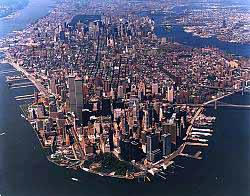
The author goes on to describe how the village begins to convert itself from an "ad hoc collection of soldiers, fur traders, and whores" to an independent city with rights and laws based on the liberal European thinkers of the time. The ideas of self government, free speech, open assembly, representation, tolerance, were all somewhat new ideas at the time. It was through the clash of two large personalities that this all came to be, Stuyvesant the military commander and Van der Donck, the lawyer activist. The book outlines their various alliances and battles as the city forms around them.
Beside an informative history it is full of interesting factoids, for example: Yonkers is actually a Dutch term for "gentleman" and was an area granted to Van der Donck for his farm. Breuckelen is also a Dutch name for the small village across the river. There were four accepted currencies at the time beaver pelts, polished sea-shells, Spanish pieces of eight and the Dutch guilders. There was of course a wall along Wall Street, and it marked the northern the edge of the original village. It was there primarily to keep the English out as they began to encroach their way over from Long Island.
The lasting impression I have from the book is the credit we should give to our Dutch forefathers for their bravado in taking on the venture that would become New York. The vibrant, multi-cultural, open community that is New York is due in large part to their example. Though the Dutch would eventually lose the city to the British in the late 1600's, by then New York had already secured its own identity and its place as the center of commerce and culture in the world.
Comments
Archives
- October 2026
- September 2026
- August 2026
- July 2026
- June 2026
- May 2026
- April 2026
- March 2026
- February 2026
- January 2026
- December 2025
- November 2025
- October 2025
- September 2025
- August 2025
- July 2025
- June 2025
- May 2025
- April 2025
- March 2025
- February 2025
- January 2025
- December 2024
- November 2024
- October 2024
- September 2024
- August 2024
- July 2024
- June 2024
- May 2024
- April 2024
- March 2024
- February 2024
- January 2024
- December 2023
- November 2023
- October 2023
- September 2023
- August 2023
- July 2023
- June 2023
- May 2023
- April 2023
- March 2023
- February 2023
- January 2023
- December 2022
- November 2022
- October 2022
- September 2022
- August 2022
- July 2022
- June 2022
- May 2022
- April 2022
- March 2022
- February 2022
- January 2022
- December 2021
- November 2021
- October 2021
- September 2021
- August 2021
- July 2021
- June 2021
- May 2021
- April 2021
- March 2021
- February 2021
- January 2021
- December 2020
- November 2020
- October 2020
- September 2020
- August 2020
- July 2020
- June 2020
- May 2020
- April 2020
- March 2020
- February 2020
- January 2020
- December 2019
- November 2019
- October 2019
- September 2019
- August 2019
- July 2019
- June 2019
- May 2019
- April 2019
- March 2019
- February 2019
- January 2019
- December 2018
- November 2018
- October 2018
- September 2018
- August 2018
- July 2018
- June 2018
- May 2018
- April 2018
- March 2018
- February 2018
- January 2018
- December 2017
- November 2017
- October 2017
- September 2017
- August 2017
- July 2017
- June 2017
- May 2017
- April 2017
- March 2017
- February 2017
- January 2017
- December 2016
- November 2016
- October 2016
- September 2016
- August 2016
- July 2016
- June 2016
- May 2016
- April 2016
- March 2016
- February 2016
- January 2016
- December 2015
- November 2015
- October 2015
- September 2015
- August 2015
- July 2015
- June 2015
- May 2015
- April 2015
- March 2015
- February 2015
- January 2015
- December 2014
- November 2014
- October 2014
- September 2014
- August 2014
- July 2014
- June 2014
- May 2014
- April 2014
- March 2014
- February 2014
- January 2014
- December 2013
- November 2013
- October 2013
- September 2013
- August 2013
- July 2013
- June 2013
- May 2013
- April 2013
- March 2013
- February 2013
- January 2013
- December 2012
- November 2012
- October 2012
- September 2012
- August 2012
- July 2012
- June 2012
- May 2012
- April 2012
- March 2012
- February 2012
- January 2012
- December 2011
- November 2011
- October 2011
- September 2011
- August 2011
- July 2011
- June 2011
- May 2011
- April 2011
- March 2011
- February 2011
- January 2011
- December 2010
- November 2010
- October 2010
- September 2010
- August 2010
- July 2010
- June 2010
- May 2010
- April 2010
- March 2010
- February 2010
- January 2010
- December 2009
- November 2009
- October 2009
- September 2009
- August 2009
- July 2009
- June 2009
- May 2009
- April 2009
- March 2009
- February 2009
- January 2009
- December 2008
- November 2008
- October 2008
- September 2008
- August 2008
- July 2008
- June 2008
- May 2008
- April 2008
- March 2008
- February 2008
- January 2008
- December 2007
- November 2007
- October 2007
- September 2007
- August 2007
- July 2007
- June 2007
- May 2007
- April 2007
- March 2007
- February 2007
- January 2007
- December 2006
- November 2006
- October 2006
- September 2006
- August 2006
- Older Archives
Resources & Links
- The Letters Prize
- Pre-2007 Victor Niederhoffer Posts
- Vic’s NYC Junto
- Reading List
- Programming in 60 Seconds
- The Objectivist Center
- Foundation for Economic Education
- Tigerchess
- Dick Sears' G.T. Index
- Pre-2007 Daily Speculations
- Laurel & Vics' Worldly Investor Articles
