Jul
15
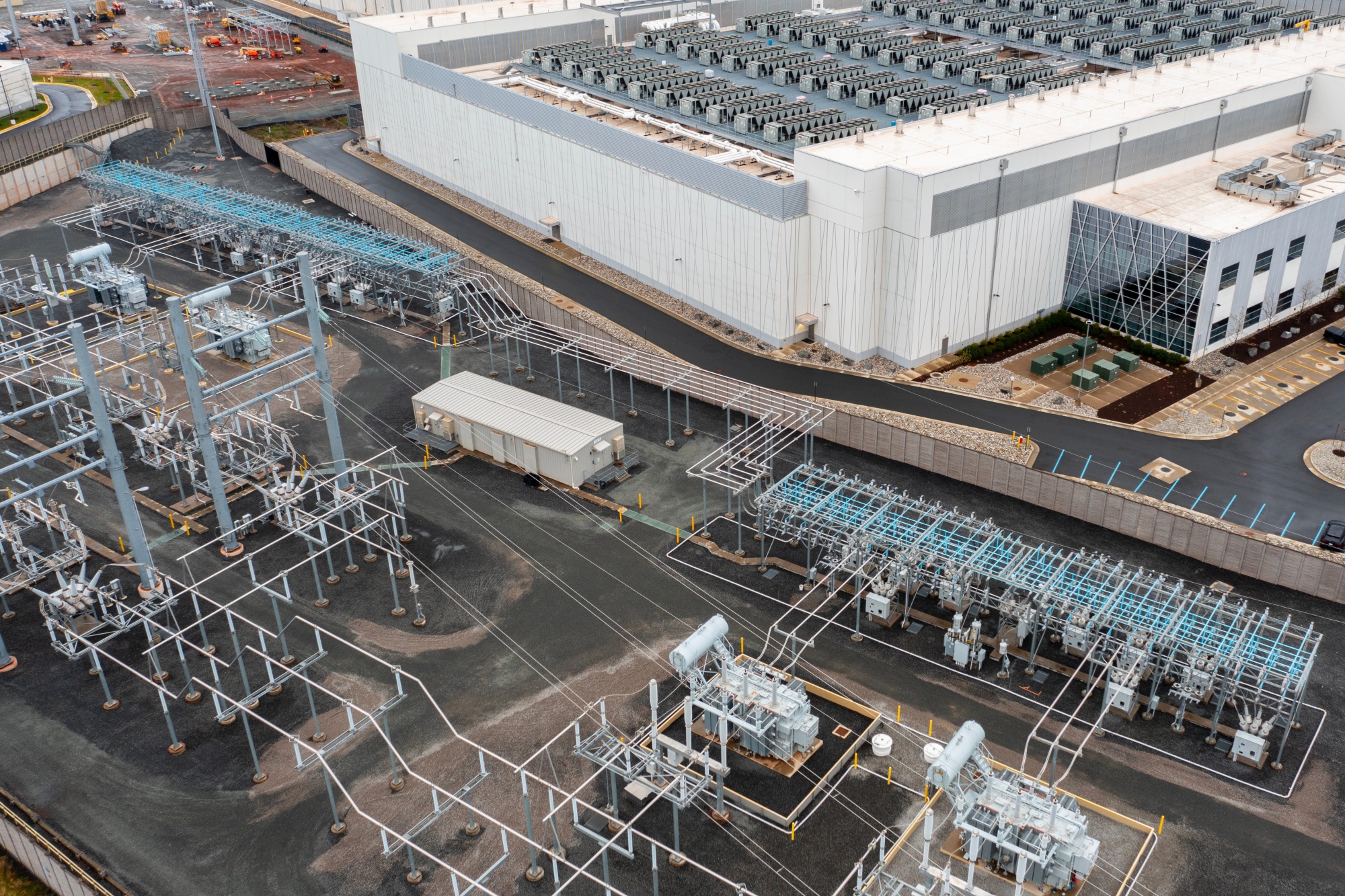
Only some people agree, but the power industry believes there may be a demand-supply mismatch from AI data centers. Here are some summary views - from the American Nuclear Society's Nuclear Newswire (April 2024):
Major tech companies see artificial intelligence (AI) as something that will transform their industry, and there is a race to be first. When they look for clean, dependable power 24/7, nuclear clearly stands out as a good match. Constellation [the nation's largest nuclear utility] summarized it best in its recent forecast:
• AI and data center growth will drive power demand.
• Major tech companies are expected to invest $1 trillion in data centers over the next five years.
• In the next five years, consumers and businesses will generate twice as much data as all the data created over the past 10 years.
• AI data center racks could require seven times more power than traditional data center racks.
• Between now and 2030, domestic data center electricity consumption is expected to grow anywhere from 6.5 percent to 7.5 percent (335 terawatt-hours to 390 terawatt-hours).
• In its report, Data Centers 2024 Global Outlook, global real estate services company JLL has said that "AI is driving extreme scale for new developments with requirements now ranging from 300 megawatts (MW) to over 500 MW."
From the IEEE Spectrum (June 2024):
Scientists have predicted that by 2040, almost 50 percent of the world's electric power will be used in computing. What's more, this projection was made before the sudden explosion of generative AI.
From Data Center Dynamics (May 2024):
US utility Dominion expects to connect 15 more data centers to the grid in Virginia over the course of 2024, after connecting 15 facilities last year totaling almost a gigawatt of capacity [1 gigawatt = 1 nuclear plant]. In its most recent earnings presentation this week, the company said it had connected 94 data centers with more than 4GW of capacity in Northern Virginia since 2019. This included 15 data centers totaling 933MW in 2023, and 15 more are due to be connected in 2024. The company didn't include the capacity of those 15 facilities going live this year, and in the earnings call, CEO Robert Blue said he doesn't know how quickly they will ramp up to full capacity.
For those who think new nuclear power is the solution (2024), this is not a quote but a fact: The new Vogtle nuclear power plant took about 20 years to design and build, from concept to commercial operations. This recent construction schedule was set by an experienced nuclear utility that previously built access to transmission on a nuclear site they've owned for decades.
The critical metric is not the overall demand. Data centers' demand sits on the grid 24/7, so generating capacity must be available 24/7. While massive amounts of energy are already oversupplying some US power markets, most new sources originate from part-time wind, solar, and battery assets. Those part-time assets cannot serve the 24/7 load demanded by data centers. Therefore, the critical metric is the difference between the base supply and the constant load.
With growing 24/7 demand, a fleet of legacy power plants (natural gas, nuclear, coal) is needed to fill in the [significant] gaps left by part-time renewable energy sources. That fleet currently exists, but its overall capacity is declining. Retired plants (to the extent they can be summoned) and new generation will be needed.
However, any new base generation will experience poor capacity factors and difficult gross revenues. Both impair investors' revenues and erode their expected levelized cost of energy. Even if investors overcome profitability concerns, the time it takes to commercialize any new traditional generating asset exceeds the expected demand for new power (extreme example: Georgia Power).
These projections and concerns appear to contradict current trends. Demand has declined in the United States, Europe, and the United Kingdom. Current reporting suggests there could be too much supply, particularly in Europe. However, if projections described by ANS, IEEE, and utilities are correct, the opposite problem could be presented: insufficient supply. If supply becomes the issue as expected, scarcity curves will be taxed, unprofitable generating assets will become profitable, and residential, commercial, and industrial consumers will pay more. This issue is not limited to North America.
Humbert H. writes:
I was listening to an interview of some fund manager from Reno earlier today and he was talking about power shortage around where he lives due to AI server farms. He said they could be quickly and cheaply addressed with new gas powered plants, but due to the Biden administration now requiring all such plants to have complete carbon sequestration this stopped them from being a practical solution.
H. Humbert writes:
Increased the energy supply for data centers is the obvious and near-term brute-force solution. Of course (almost) everybody not in the tech industry assumes that the joule per bit per second for data centers can't be improved and hence producing more energy is the only solution using nuke. In fact Sam Altman said that too, what conventional thinking can possibly go wrong, right?
Zubin Al Genubi asks:
What would be a good way to invest in modern nuclear power? How about Bill Gates project?
Asindu Drileba adds:
I would suspect via buying Uranium ETFs? I first saw this conjecture from following the financier Lyn Alden.
Mark Zuckerberg of recent also mentioned in an interview that Energy and not Compute will be the number 1 bottle neck to AI progress.
H. Humbert responds:
The energy being the presumed AI investment proxy won't last in the long term. Increasing the energy supply is just an incremental engineering no-brainer approach to solve a longer term problem and the approach is not disruptive and it doesn't change the world.
Stefan Jovanovich offers:
Radiant Nuclear
Kaleidos: a Portable Nuclear Microreactor that Replaces Diesel Generators
Peter Penha writes:
A relevant interview on the Hidden Forces podcast with Brian Janous who was hired by Microsoft in 2011 to focus on energy (Google had just hired someone themselves as they thought the cloud might become something) - wound up as VP of Energy.
AI data centers need to be where they can individually draw the electricity of a city like Seattle (800 MWh) - so away from major urban areas - discusses the history of the grid from Sam Insull through to where we are going…also on the efficiency / consumption of AI chips - his view with AI is Jevons Paradox will apply and the more efficient the chips and the (new) grid gets the more consumers will demand.
Comments
Archives
- October 2026
- September 2026
- August 2026
- July 2026
- June 2026
- May 2026
- April 2026
- March 2026
- February 2026
- January 2026
- December 2025
- November 2025
- October 2025
- September 2025
- August 2025
- July 2025
- June 2025
- May 2025
- April 2025
- March 2025
- February 2025
- January 2025
- December 2024
- November 2024
- October 2024
- September 2024
- August 2024
- July 2024
- June 2024
- May 2024
- April 2024
- March 2024
- February 2024
- January 2024
- December 2023
- November 2023
- October 2023
- September 2023
- August 2023
- July 2023
- June 2023
- May 2023
- April 2023
- March 2023
- February 2023
- January 2023
- December 2022
- November 2022
- October 2022
- September 2022
- August 2022
- July 2022
- June 2022
- May 2022
- April 2022
- March 2022
- February 2022
- January 2022
- December 2021
- November 2021
- October 2021
- September 2021
- August 2021
- July 2021
- June 2021
- May 2021
- April 2021
- March 2021
- February 2021
- January 2021
- December 2020
- November 2020
- October 2020
- September 2020
- August 2020
- July 2020
- June 2020
- May 2020
- April 2020
- March 2020
- February 2020
- January 2020
- December 2019
- November 2019
- October 2019
- September 2019
- August 2019
- July 2019
- June 2019
- May 2019
- April 2019
- March 2019
- February 2019
- January 2019
- December 2018
- November 2018
- October 2018
- September 2018
- August 2018
- July 2018
- June 2018
- May 2018
- April 2018
- March 2018
- February 2018
- January 2018
- December 2017
- November 2017
- October 2017
- September 2017
- August 2017
- July 2017
- June 2017
- May 2017
- April 2017
- March 2017
- February 2017
- January 2017
- December 2016
- November 2016
- October 2016
- September 2016
- August 2016
- July 2016
- June 2016
- May 2016
- April 2016
- March 2016
- February 2016
- January 2016
- December 2015
- November 2015
- October 2015
- September 2015
- August 2015
- July 2015
- June 2015
- May 2015
- April 2015
- March 2015
- February 2015
- January 2015
- December 2014
- November 2014
- October 2014
- September 2014
- August 2014
- July 2014
- June 2014
- May 2014
- April 2014
- March 2014
- February 2014
- January 2014
- December 2013
- November 2013
- October 2013
- September 2013
- August 2013
- July 2013
- June 2013
- May 2013
- April 2013
- March 2013
- February 2013
- January 2013
- December 2012
- November 2012
- October 2012
- September 2012
- August 2012
- July 2012
- June 2012
- May 2012
- April 2012
- March 2012
- February 2012
- January 2012
- December 2011
- November 2011
- October 2011
- September 2011
- August 2011
- July 2011
- June 2011
- May 2011
- April 2011
- March 2011
- February 2011
- January 2011
- December 2010
- November 2010
- October 2010
- September 2010
- August 2010
- July 2010
- June 2010
- May 2010
- April 2010
- March 2010
- February 2010
- January 2010
- December 2009
- November 2009
- October 2009
- September 2009
- August 2009
- July 2009
- June 2009
- May 2009
- April 2009
- March 2009
- February 2009
- January 2009
- December 2008
- November 2008
- October 2008
- September 2008
- August 2008
- July 2008
- June 2008
- May 2008
- April 2008
- March 2008
- February 2008
- January 2008
- December 2007
- November 2007
- October 2007
- September 2007
- August 2007
- July 2007
- June 2007
- May 2007
- April 2007
- March 2007
- February 2007
- January 2007
- December 2006
- November 2006
- October 2006
- September 2006
- August 2006
- Older Archives
Resources & Links
- The Letters Prize
- Pre-2007 Victor Niederhoffer Posts
- Vic’s NYC Junto
- Reading List
- Programming in 60 Seconds
- The Objectivist Center
- Foundation for Economic Education
- Tigerchess
- Dick Sears' G.T. Index
- Pre-2007 Daily Speculations
- Laurel & Vics' Worldly Investor Articles
