Jun
21
Duveen, from Victor Niederhoffer
June 21, 2012 |
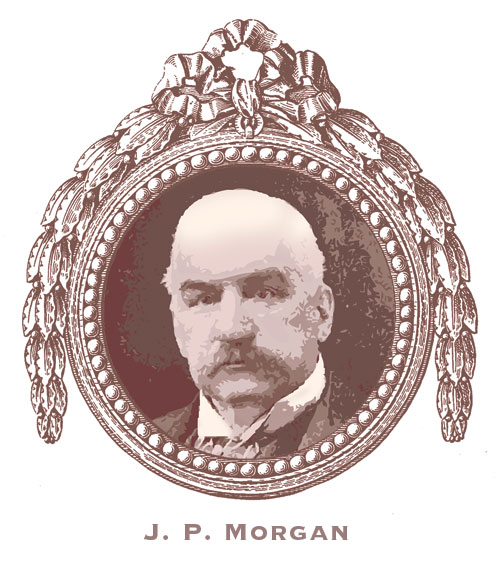
 Duveen by S.N. Behrman, the prolific playwright (The Second Man, Fanny) contains a smorgasbord of interesting, amusing, and illuminating grist for the mill of readers interested in marketing, history, and finance. Joseph Duveen (1869-1939) was the most successful dealer in fine arts, or indeed any pricey collectibles in history. He achieved almost a monopoly on selling almost all Italian art painted before the 1700's. His techniques to achieve the monopoly are at once hilarious and instructive. He insisted on paying the highest prices for all paintings that came up at auction or through collectors, and made sure that none of his collectors ever suffered a loss on the market value of any paintings he sold to them. He was the main force behind the collections housed in the National Gallery, the Tate Gallery, and the Frick. His customers, included Mellon, Kress, Rockefeller, Hearst, Frick, Morgan, Altman, Huntington, Bache, Goldman (of Goldman Sachs), Widener, Rockefeller and almost every other magnate of his time.
A key feature of his selling method included preparing a catalogue of the collector's holdings that immortalized the collection and the collector. The one magnate he wasn't successful with, Henry Ford, is the subject of a hilarious story. Duveen presented a catalogue to Ford with all the greatest pictures available in the 30s. Ford said it was such a beautiful book, that there was no reason for him to buy the pictures.
On other occasions, he refused to sell to a collector, until his collection has reached a certain point of grandeur. He always insisted that he could sell his best paintings to Mellon or Kress so why would he wish to sell to a mere millionaire who was not one of his favored customers already. In this technique he predated Madoff. In describing his methods, Mrs. Hearst said, "Duveen didn't want to sell any of his paintings. But his customers always badgered the poor fellow until he gave in."
He liked to buy entire collections, and stored the collections in palatial dealing rooms that he maintained in London and New York. His mantra was that "Europe had the paintings but America had the money" so his main customers were the American industrialists, and 5 and 10 centimillionaires of his era.
His financing method was to use his paintings as collateral for loans, and to buy up all good collections and store them until the values increased. He was able to beggar his brothers and sisters by buying up their interests and refusing to pay them off during his lifetime. He didn't understand the concept of interest on money, and gave his collectors infinite time to pay their debts to him. Yet during this time, he had to borrow from banks like the Mellon and pay enormous interest. In addition, he had heavy expenses from maintaining his business and paying off all his runners, and finders across the world. Thus, he was always cash poor during his life.
He bought out all the interests in his family but didn't pay them off during his lifetime. The main problem in his financing was that he had to pay cash for everything he bought but he gave unlimited credit to all his customers. A favorite technique was to lend a painting to a collector to hang in his home or gallery for several years, while he became acquainted with the painting. He liked to say that the painting was the one asset that a collector could buy that would cost him no upkeep, and give him constant enjoyment from viewing it. They were unable to sue because he was the only one that could sell the paintings in his inventory.
 Behrman believed that the main customers were lonely, silent men who were ashamed of how they obtained their wealth, and unhappy with the ne'er do wells in their family. Through the paintings they gained respect and immortality. And the paintings never talked back to them, became playboys or died in race track accidents like their children.
Duveen had many partnerships with those who could aid him in his marketing. One was with Bernard Berenson, who vetted all his pictures, and received a commission on all that Duveen sold. Berenson eventually turned on Duveen, when the two had a bitter fight about the authenticity of a Titian that Duveen wanted to sell. Other partnerships were with the butlers and comptrollers of all his customers so that he could get advance knowledge of what they had to sell, and when they were in a mode of buying.
One of his marketing techniques was to buy up all the English and Impressionist paintings of the era that his collectors had in their possession, so that they would not be tempted to add to their collections. He liked to upgrade his customers into buying only the best paintings and eschewing all commercial items. He found out early that his collectors liked pictures of pretty woman, with bright colors and action in his paintings that came from English Nobility. And when a great masterpiece came up without these characteristics he would buy them but not try to sell them, and store them in his warehouse. He liked to say, "it is much easier to sell a second rate picture that has belonged to any English nobleman than a first rate one that has belonged to a treat man of the Italian nobility."
Duveen got his start selling Delft antiques that his poor family collected in Holland. He learned all the techniques of selling from his family's antique furniture business. But he soon came to the conclusion that it was much better to sell million dollar paintings than $ 5,000 rugs and medals. The book is sprinkled with great anecdotes and selling procedures of the time. For example, when he found a Da Vinci that a Russian countess was selling, he had first to pay for an option to buy the piece at a set price of 1 million. But then it had to be offered to the Tsar at that price before he could buy it.
Behrman, the author, is one of those 20th century men who despised business people. He took pleasure in thinking that Duveens' customers were "scrupulously dishonest". And he seemed to think it fair that Duveen was equally dishonest with the customers. He fails to note that people like Kress, and Woolworth, and Rockefeller, the billionaires of his day got their wealth from selling goods to the masses that uplifted their standards of living and gave them the comforts that the richest of two generations back couldn't buy. Behrman writes, "as his customers aged, they felt guilt about such things as machinegunning the strikers at their mines, they were characterized as exploiters of the poor and the source of their misery. they felt futility and hostility closing in around them, they longed passionately for the happy company, in the even darker regions ahead." Duveen's paintings and persona provided that company and relief from their guilt.
 Duveen was always cash poor, as he had enormous overhead and inventory from carrying all the items that were out of favor. He also maintained a lavish life style and was constantly giving works of art, and paying for the buildings of the institutions that ultimately housed the paintings like the Tate and The National Gallery. His New York Gallery was built at enormous expense on the corner of 56th street and Fifth Avenue, currently the Bendel building, but then called the Ministry of Maine. His family complained about the expense but Duveen assured them he had "all the pictures sold". The family said "show us the bills of sale". Eventually when he died, he made a big sale to Mellon, and was able to pay off all his debts and died with an estate of about 7.5 million pounds, the first time he was solvent and debt free in his life.
After he died a rival dealer said "We miss him but we are glad he is gone". What can we learn from Duveen? He had a complete marketing operation, with tentacles in every aspect of the supply and demand chain, paying every conceivable source of supply with bribes and emoluments. In this he reminds one of the publicity hungry flexions that run conglomerates of today, especially those in the Midwest, with their politician antennae always attuned to the sources of cheap goods that they can get ahead of everyone else.
He liked to pay the highest prices for things, maintaining the market for his goods and creating enthusiasm among his customers. He was completely attentive to the needs of his customers and would do anything to please them, thereby showing the wisdom of the motto used by most great businesses that "the customer is always right", and taking back items with no questions asked at the original selling price regardless of the legitimacy of the complaint. He maintained the viability of his market by buying up all goods that came to it, thereby insuring that his customers always made a profit. But after he died, the prices of all his goods suffered a terrific fall. He was a master at manipulating markets. He bought goods, not because he expected to make a immediate or reasonable profit on them, but in order to maintain the illusion that none of his customers ever sold a painting at a loss, and that his favored 400 year old Italian masters would never decline in value. The importance of running stops, and hitting the exercise price of knock out options comes to mind.
I'd like your comments on what we can learn from Duveen.
Steve Ellison writes:
His operation sounds like a corner.
Comments
Archives
- October 2026
- September 2026
- August 2026
- July 2026
- June 2026
- May 2026
- April 2026
- March 2026
- February 2026
- January 2026
- December 2025
- November 2025
- October 2025
- September 2025
- August 2025
- July 2025
- June 2025
- May 2025
- April 2025
- March 2025
- February 2025
- January 2025
- December 2024
- November 2024
- October 2024
- September 2024
- August 2024
- July 2024
- June 2024
- May 2024
- April 2024
- March 2024
- February 2024
- January 2024
- December 2023
- November 2023
- October 2023
- September 2023
- August 2023
- July 2023
- June 2023
- May 2023
- April 2023
- March 2023
- February 2023
- January 2023
- December 2022
- November 2022
- October 2022
- September 2022
- August 2022
- July 2022
- June 2022
- May 2022
- April 2022
- March 2022
- February 2022
- January 2022
- December 2021
- November 2021
- October 2021
- September 2021
- August 2021
- July 2021
- June 2021
- May 2021
- April 2021
- March 2021
- February 2021
- January 2021
- December 2020
- November 2020
- October 2020
- September 2020
- August 2020
- July 2020
- June 2020
- May 2020
- April 2020
- March 2020
- February 2020
- January 2020
- December 2019
- November 2019
- October 2019
- September 2019
- August 2019
- July 2019
- June 2019
- May 2019
- April 2019
- March 2019
- February 2019
- January 2019
- December 2018
- November 2018
- October 2018
- September 2018
- August 2018
- July 2018
- June 2018
- May 2018
- April 2018
- March 2018
- February 2018
- January 2018
- December 2017
- November 2017
- October 2017
- September 2017
- August 2017
- July 2017
- June 2017
- May 2017
- April 2017
- March 2017
- February 2017
- January 2017
- December 2016
- November 2016
- October 2016
- September 2016
- August 2016
- July 2016
- June 2016
- May 2016
- April 2016
- March 2016
- February 2016
- January 2016
- December 2015
- November 2015
- October 2015
- September 2015
- August 2015
- July 2015
- June 2015
- May 2015
- April 2015
- March 2015
- February 2015
- January 2015
- December 2014
- November 2014
- October 2014
- September 2014
- August 2014
- July 2014
- June 2014
- May 2014
- April 2014
- March 2014
- February 2014
- January 2014
- December 2013
- November 2013
- October 2013
- September 2013
- August 2013
- July 2013
- June 2013
- May 2013
- April 2013
- March 2013
- February 2013
- January 2013
- December 2012
- November 2012
- October 2012
- September 2012
- August 2012
- July 2012
- June 2012
- May 2012
- April 2012
- March 2012
- February 2012
- January 2012
- December 2011
- November 2011
- October 2011
- September 2011
- August 2011
- July 2011
- June 2011
- May 2011
- April 2011
- March 2011
- February 2011
- January 2011
- December 2010
- November 2010
- October 2010
- September 2010
- August 2010
- July 2010
- June 2010
- May 2010
- April 2010
- March 2010
- February 2010
- January 2010
- December 2009
- November 2009
- October 2009
- September 2009
- August 2009
- July 2009
- June 2009
- May 2009
- April 2009
- March 2009
- February 2009
- January 2009
- December 2008
- November 2008
- October 2008
- September 2008
- August 2008
- July 2008
- June 2008
- May 2008
- April 2008
- March 2008
- February 2008
- January 2008
- December 2007
- November 2007
- October 2007
- September 2007
- August 2007
- July 2007
- June 2007
- May 2007
- April 2007
- March 2007
- February 2007
- January 2007
- December 2006
- November 2006
- October 2006
- September 2006
- August 2006
- Older Archives
Resources & Links
- The Letters Prize
- Pre-2007 Victor Niederhoffer Posts
- Vic’s NYC Junto
- Reading List
- Programming in 60 Seconds
- The Objectivist Center
- Foundation for Economic Education
- Tigerchess
- Dick Sears' G.T. Index
- Pre-2007 Daily Speculations
- Laurel & Vics' Worldly Investor Articles
